
 Asger Risom

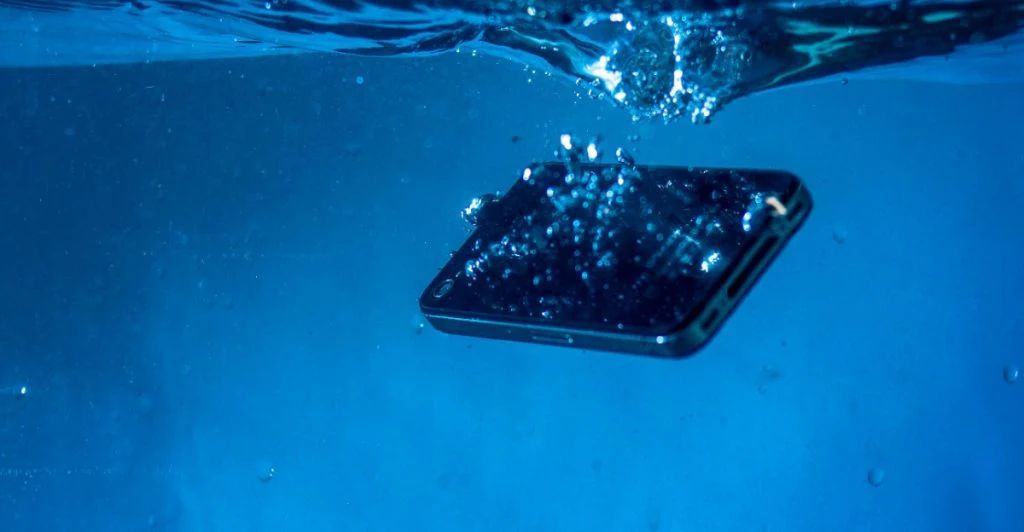
A “water-resistant” phone is built to survive everyday spills and rain, not swimming pools or ocean waves—and liquid damage still isn’t a free pass under most warranties.


Drop a modern smartphone into a sink or a puddle and there is a decent chance it survives without a hitch. That leads plenty of people to treat their phone like a mini action camera on vacation, dunking it into swimming pools or snapping photos right above breaking waves. In reality, “water-resistant” does not mean waterproof, and treating a phone like a diving watch is one of the fastest ways to end up with a dead screen and a repair bill nobody wants to pay.
Lab tests do not look like real life
When phone makers advertise water resistance, they usually point to standardized lab tests designed to measure how well a sealed casing keeps dust and water out. As CNET notes, those ratings come from controlled laboratory conditions using still, fresh water rather than everyday adventure. A phone sitting calmly in a tank of tap water is having a very different day from one getting slammed by a wave or dropped onto a hard pool floor.
Swimming pools add another layer of trouble because chlorinated water is harsher on seals and gaskets than plain tap water. Saltwater is even trickier: once it dries inside tiny crevices or charging ports, it can leave behind mineral deposits and speed up corrosion on metal contacts. Even if a phone survives a quick dunk on a Tuesday, repeated exposure to pool chemicals or ocean spray wears down protective barriers over time.
Heat and sudden shocks also mess with the glue and gaskets holding a phone together. Leaving a device baking in direct sun on a beach towel before dunking it can stress adhesives and create tiny gaps as temperatures shift. A phone that has already been dropped once or had its screen replaced by a third-party shop may not have the same factory seal it started with.


Water-resistant is a safety net, not a green light
Most shoppers don’t memorize engineering codes or care about the alphabet soup on a spec sheet—they just want to know if their phone will survive a spill or a rainstorm. Viewing water resistance as a backup plan for accidents rather than a feature meant for underwater filming keeps expectations realistic. A splash of coffee on the kitchen counter or getting caught in a downpour is what that protection is really built to handle.
Most standard phone warranties also draw a hard line when liquid gets inside the casing. As PBS NewsHour points out, traditional consumer tech warranties routinely exclude liquid damage, even on devices built with water-resistance features. Paying hundreds of dollars out of pocket because a vacation photo seemed worth the risk turns a quick dip into an expensive lesson.
If you actually want to take photos underwater or bring music right into the water with you, dedicated gear made for wet environments is a safer bet than gambling with your everyday phone. Keeping a towel handy, wiping off moisture before plugging in a charger, and treating wet edges with a little caution goes a long way. You don’t need to panic every time a glass tips over near your desk—you just don’t want to go swimming with it.



