
 Daniel Wolfram
Other European leaders are seeing the effects of Ukrainian long-range attacks and are calling for continued military pressure to get Russia to seriously entertain peace talks.

There has been growing public sentiment that Russia is losing its grip on its invasion of Ukraine.
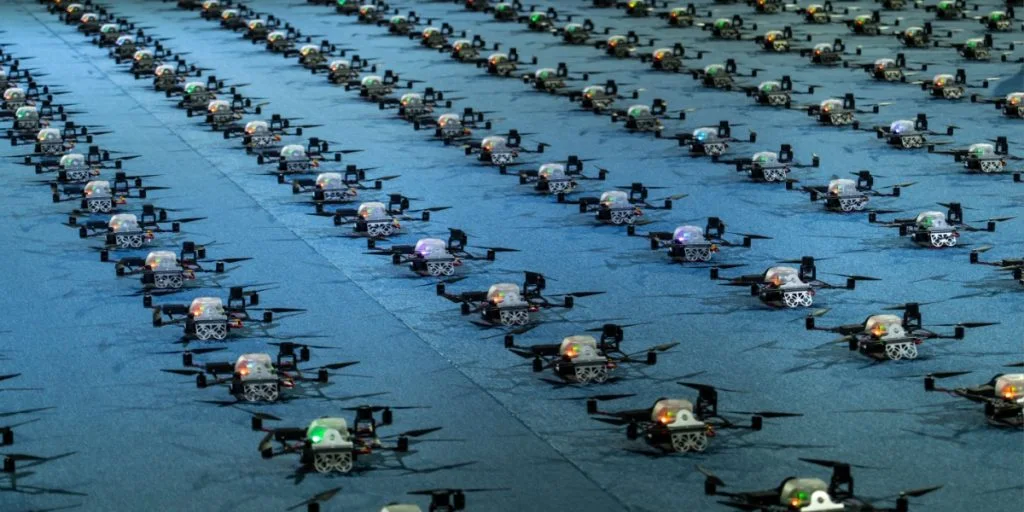
Much of that has been attributed to how Ukraine has managed to use long-range drones to hit critical infrastructure in Russia.
Now a major head of state is saying that it might be a turning point in the war.
Turning point
Finnish President Alexander Stubb believes Ukraine’s recent strategy in the war is producing real results. Speaking at a press conference in Kyiv, Stubb pointed to deep strikes inside Russian territory as a major turning point, according to RBC-Ukraine.


Ukrainian forces have increasingly targeted key infrastructure deep inside Russia, including major oil refineries and large commercial warehouses.
Among the high-profile targets are facilities owned by Wildberries, Russia’s massive online retail site. Attacks on these supply hubs have brought the realities of the war directly home to its citizens.
Public opinion inside Russia appears to be turning as a result. According to Stubb, 65 percent of Russians now say they want the conflict to end. That marks a dramatic shift.
Long-distance strikes
The Finnish president stated that those disruption efforts caused a ten-percentage-point jump in the share of citizens favoring peace. Stubb also argued that Kyiv is now stronger militarily, financially, and economically than it was twelve months ago.
Sustaining that progress will require steady support from foreign allies. Support cannot fade away now. Stubb urged international partners to continue providing financial aid while backing Ukraine’s ability to strike deep within Russian territory.
By striking logistics hubs and energy plants, Kyiv aims to force the Kremlin to consider serious negotiations.
Building bigger weapons
To expand these efforts, Ukraine is preparing to manufacture more of its own hardware. Ukraine now plans to build cruise missiles locally.
That initiative follows approval from leaders in London after the United Kingdom agreed to give essential technology to the Ukrainians. British and French defense firms will step in to help speed up the production.
The strategy is clear. Continued strikes on critical facilities could ultimately push Moscow toward the negotiating table. For now, Kyiv is betting that economic pain will prove just as decisive as its wins on the battlefield.



