
 Jens Asbjørn Bøgen

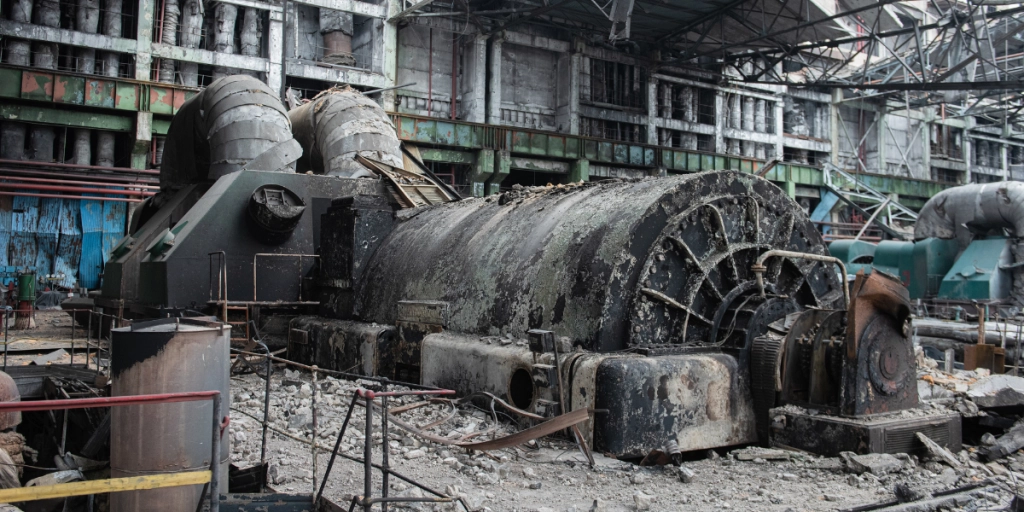
Somebody has to climb the pylons the morning after each Russian salvo, and Kyiv is now putting a price on that job.


Ukraine’s energy grid, heating network, gas lines and railways are hit almost nightly, and the crews who patch them back together have long been the quiet backbone of the country’s wartime winter.
This autumn, as the attacks intensify, Kyiv is formally recognizing that work with money.
The Cabinet of Ministers on November 4 approved a monthly bonus of 30,000 hryvnias, roughly $670, for every month a specialist takes part in restoring infrastructure damaged by Russian strikes, Ukrinform reported.
The payments run from November through the end of the heating season.


The top-up covers power engineers, heating and gas workers, water and wastewater staff, municipal utility employees and railway crews involved in repair work.
Prime Minister Serhii Koretskyi, in office since mid-July, said the Cabinet acted on a direct instruction from President Volodymyr Zelensky.
“This is the least the state can do for these specialists at this time,” Koretskyi said, according to Ukrinform, adding that the scale of repair work is “several times greater than in all previous years.”
Russia’s daily drone assault
The pay decision landed in the middle of an escalating air campaign. Koretskyi said Russian forces are launching 300 to 400 drones a day at Ukrainian infrastructure, with more than 2,000 strikes recorded since August.
On November 3, the day before the Cabinet met, Ukraine’s air defenses faced an attack involving 289 drones, 17 ballistic missiles and 59 cruise missiles, according to Kyiv Post.
Power transmission lines and above-ground grid equipment are among the most frequently destroyed targets, and Moscow has repeatedly used so-called “double-tap” strikes that hit the same site a second time while responders are present.
A bigger payout than last winter
Last winter, Kyiv paid repair workers a 20,000-hryvnia monthly top-up, about $440, from January through March, with nearly 40,000 specialists drawing it, Kyiv Post reported.
The new figure raises the rate by half, reflecting what Koretskyi called an unprecedented workload.
The payments will be accrued each month through the end of the heating season, which typically runs until spring.



