
 Asger Risom
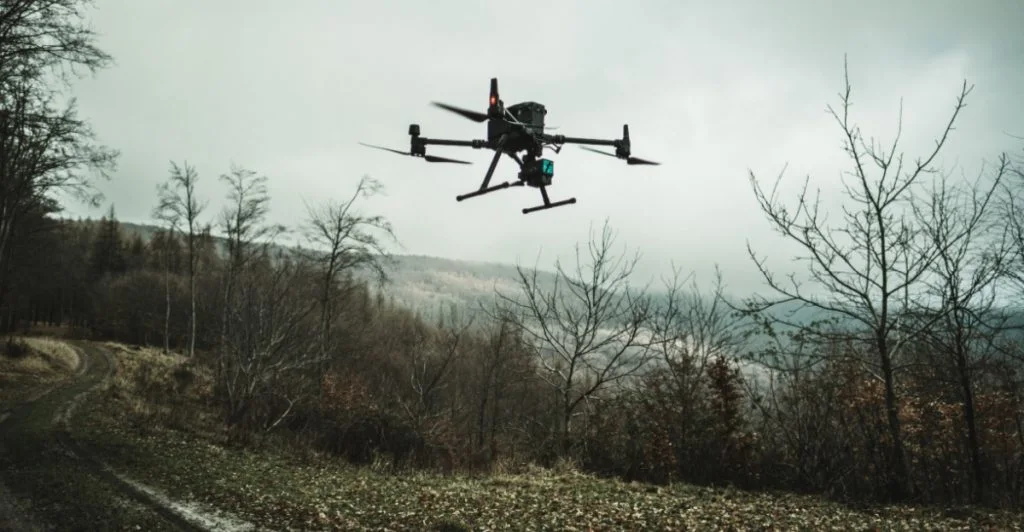
Ukrainian drone operators from the 426th Separate Unmanned Systems Regiment tracked down and destroyed a concealed Russian BM-27 Uragan rocket system, turning the devastating heavy artillery into forest firewood.


In the evolving landscape of modern warfare, the traditional tactic of hiding heavy artillery under a canopy of trees is rapidly losing its effectiveness. The skies over the front lines are now saturated with agile aerial reconnaissance, making it nearly impossible for massive weapons platforms to remain concealed. This reality was violently demonstrated in the Nikopol area, where Ukrainian forces successfully tracked and eliminated a high-value Russian multiple-launch rocket system.
According to a recent report by UNITED24 Media, footage released by the Ukrainian Navy on August 19, 2026, showcases the lethal precision of modern drone warfare. The strike was executed by Ukraine’s specialized 426th Separate Unmanned Systems Regiment. The unit managed to detect the heavily armed Russian launcher despite its crew’s best efforts to use a dense wooded area for cover.
A high-value target capable of devastating broad areas
The destroyed asset was a BM-27 Uragan, a formidable Soviet-designed 220mm multiple-launch rocket system built specifically to annihilate personnel, armored vehicles, and fortified military positions. Designed to unleash massive destruction in a matter of seconds, the Uragan is considered a priority target for Ukrainian drone operators due to its ability to strike targets up to 35 kilometers away.
A single BM-27 Uragan launcher carries sixteen heavy rockets and is capable of firing a full, uninterrupted salvo across a massive target area. The standard combat payload typically includes highly destructive high-explosive fragmentation rockets, as well as incendiary and cluster munitions designed to maximize casualties over a wide radius.


Beyond direct explosive strikes, the Uragan poses a long-term threat to advancing infantry and mechanized units through its specialized deployment capabilities. The system can be utilized to remotely scatter anti-personnel and anti-tank mines from a distance. This allows Russian forces to rapidly seed entire agricultural fields and transit routes with deadly minefields without ever sending engineers into the danger zone.
The end of natural camouflage in modern combat
Historically, dense forests provided an excellent natural shield for artillery batteries, obscuring them from satellite imagery and traditional aerial reconnaissance. However, the proliferation of agile drones has essentially stripped away this layer of protection. The Russian crew operating the BM-27 Uragan in the Nikopol region relied on this outdated doctrine, parking their massive launcher beneath the tree line in hopes of evading detection before launching a strike.
The Ukrainian Navy mocked this tactical failure in their official statement accompanying the strike footage. The military noted that the heavily armed vehicle had hidden in the forest with the assumption that it would successfully launch its lethal payload and slip away unnoticed. Instead, the precision drone strike preempted the attack, turning the multi-million-dollar war machine into what the Navy mockingly described as a “nice bonfire among the trees.”
This incident is part of a broader, highly successful campaign by Ukrainian drone operators to systematically hunt down Russian artillery and rocket systems before they can fire. Just recently, Ukrainian FPV drone pilots successfully tracked down a Russian BM-21 Grad rocket launcher that was carrying a full payload of ammunition. The resulting precision strike triggered a catastrophic secondary explosion so powerful that only a single wheel was left intact from the vehicle.
How cheap drones are neutralizing heavy artillery
The recurring destruction of these massive rocket systems highlights a fundamental shift in the economics and execution of artillery warfare. For decades, artillery was considered the untouchable “god of war,” operating safely miles behind the front lines. Now, specialized drone units like the 426th Separate Unmanned Systems Regiment can bypass defensive lines entirely to hunt these expensive assets directly.
This technological dynamic heavily favors the defending forces, as highly affordable loitering munitions are taking out military hardware worth millions. By forcing Russian artillery crews to operate under the constant threat of aerial surveillance, Ukrainian forces are drastically reducing the operational tempo and combat effectiveness of the invading army.
Ultimately, the burning wreckage of the BM-27 Uragan near Nikopol serves as a stark reminder of the new rules of engagement. Heavy armor and long-range rocket systems can no longer rely on distance or natural concealment for survival. As drone technology continues to evolve, the battlefield is becoming increasingly hostile for any traditional military asset that cannot outrun or outhide an eye in the sky.



