
 Kenneth Glad
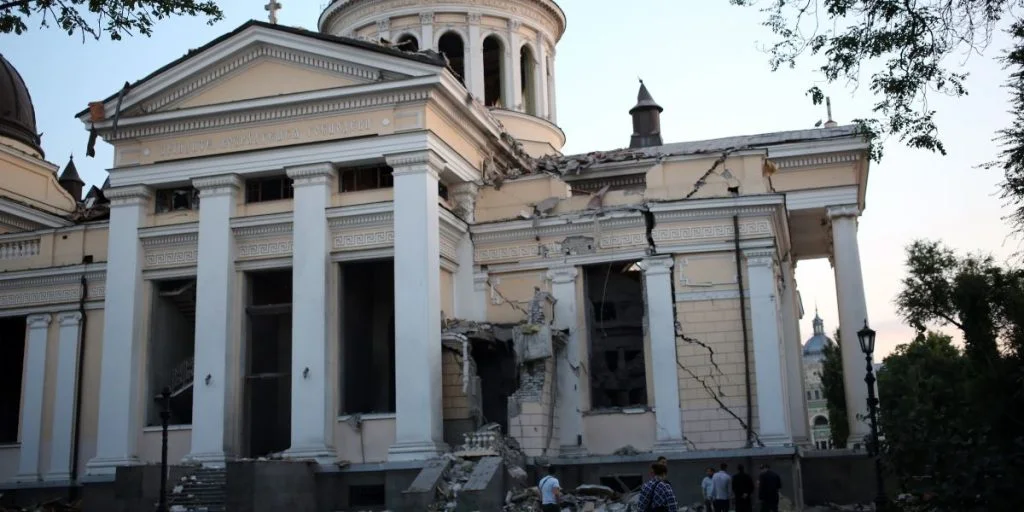
Historic sites and collections remain exposed as fighting reaches culturally important places. New assessments document losses while conservation teams work to secure what survives.


UNESCO had verified damage to 545 cultural sites in Ukraine by July 29, 2026, including 156 religious sites, 281 historic or artistic buildings, 43 museums, 33 monuments, 22 libraries, five archaeological sites and five archives.
Reported incidents are checked against multiple credible sources. UNESCO is also developing a coordinated assessment mechanism with partner organizations that will include satellite-image analysis, while the World Monuments Fund is supporting the stabilization and rehabilitation of damaged Ukrainian structures where conditions permit.
In Iran, Reuters journalists observed damage at 11 historic buildings following US and Israeli strikes. Golestan Palace and its bazaar, locations around Naqsh-e Jahan Square and the Chehel Sotoun complex were among those affected. Blast waves from nearby attacks caused much of the destruction documented around Isfahan, while specialists separately confirmed damage to the Jameh Mosque.
UNESCO had meanwhile verified damage to 164 heritage sites in Gaza by March 24, 2026. Satellite monitoring has been supplemented by inspections where security and access allow since the October 10, 2025 ceasefire.


Protecting what remains during conflict
Collections face risks that extend beyond buildings themselves. The Museums Association reported that Al Qarara Museum housed about 3,500 archaeological, historical and folklore artefacts, some dating to 4000 BCE. How much survived remains uncertain.
The 1954 Hague Convention requires states parties to prepare safeguards for cultural property during peacetime and respect it during armed conflict. Its protections cover monuments, archaeological sites, manuscripts, artworks and important collections.
Emergency preservation is already underway. UNESCO says five heritage sites in Gaza have been stabilized and seven more are receiving similar work. The program includes debris removal, preservation of architectural elements and training for local heritage professionals.
A recent Guardian opinion column by Simon Jenkins examined the destruction of cultural sites in several conflicts. UNESCO and other preservation groups are now focused on the practical work that follows, including stabilizing damaged buildings, documenting surviving material and recovering architectural elements that may be used in future restoration.
Sources: UNESCO, Reuters, Museums Association, World Monuments Fund, The Guardian



