
 Daniel Wolfram
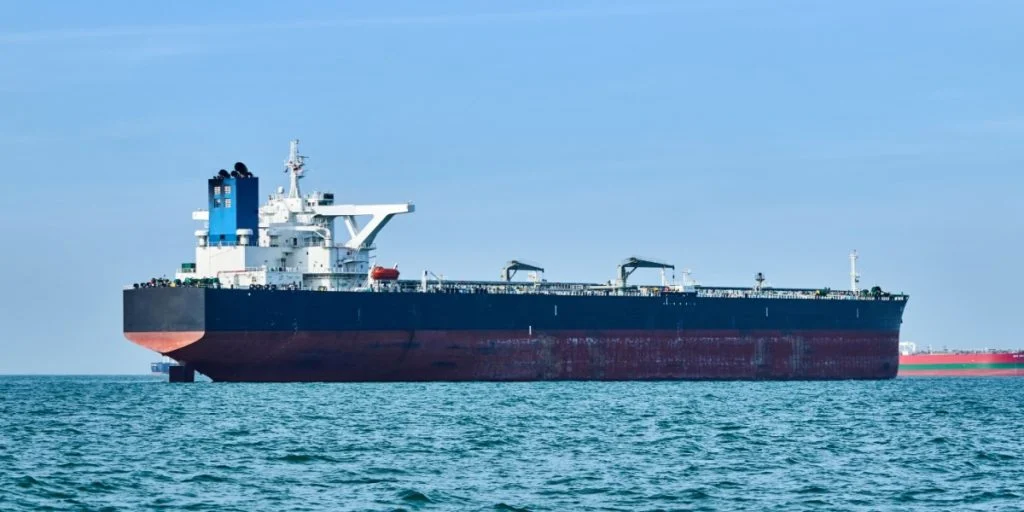
The damage to the Russian ship carries other repercussions than just financial ones


Taking a shorter route with a large vessel carrying oil during wartime seems like a smart idea to save time and money.
But it is a risky move when trying to navigate international sanctions and an icy ocean.
That gamble just cost Russia a huge fortune.
A costly freeze
A massive oil tanker attempting to ship Russian crude to China recently suffered heavy structural damage while navigating the icy Arctic Ocean.


Despite having an official icebreaker, the vessel could not avoid a disastrous hit. Insurance firm AlfaStrakhovanie eventually paid out 53 million rubles, roughly $638,000, to cover the damage, according to reports from maritime news site gCaptain and The Moscow Times.
Nobody knows the exact name of the damaged vessel or when the crash occurred. Russian safety authorities halted public maritime warnings in the region earlier this year, and the insurance company kept those specific details under wraps.
Chasing target numbers
The appeal of taking a shortcut is easy to follow. By cutting across the 5,600-kilometer Northern Sea Route, cargo ships can trim seven to ten days off their journey between Europe and Asia.
Yet the numbers tell a frustrating story for Kremlin planners. Officials hoped to hit 80 million tons of cargo along the route by 2024, but actual volume stagnated at around 37 million tons instead.
And this was far from an isolated incident. The Arctic route has seen a string of dangerous mishaps and major collisions dating back to 2010.
Building a ghost fleet
To dodge upcoming European Union sanctions scheduled for January 2027, Russia has been quietly assembling a covert shadow fleet.
Ukrainian intelligence reports reveal that Moscow bought dozens of aging vessels through shell companies in the Middle East. Four old gas carriers joined the ranks in early 2026 alone.
Navigating old, weakened ships through ice-choked waters keeps energy cash flowing. But as recent cracks prove, the shortcut comes with a massive cost.



