
 Kenneth Glad
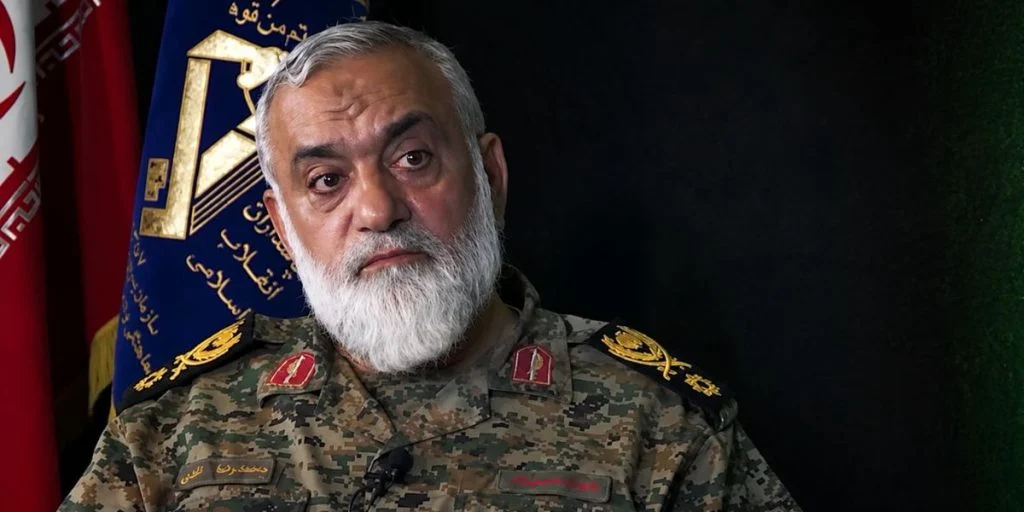
The confrontation is testing how much pressure each side is prepared to absorb. A rare interview offers a glimpse of one senior military figure’s view of how the struggle could develop.


Mohammad Reza Naqdi, a senior adviser to the commander of Iran’s Islamic Revolutionary Guard Corps, has argued that extending the conflict with the United States could help discourage future attacks by demonstrating that military action against Iran would carry lasting costs.
In an interview with PBS NewsHour, Naqdi described attrition as one possible route to stronger deterrence. He said Iran could seek to keep fighting until the next US presidential term, with the aim of convincing future administrations that another attack could lead to a prolonged and expensive confrontation.
Naqdi also claimed the fighting had changed Iran’s assessment of American military power. He said that US forces had proved less capable than Iranian officials expected before the conflict, while months of direct combat now have given Iran a clearer understanding of how the American military operates.
A longer fight
Naqdi portrayed Iran as having the advantage so far, while acknowledging that Tehran had not yet achieved what he described as its final objective. His claims about the balance of the war were not independently demonstrated during the interview.


Months of direct confrontation have given Iranian forces experience fighting the United States, he said, suggesting that this battlefield knowledge had reduced some of the uncertainty Iran faced at the beginning of the conflict and would leave its forces better prepared if hostilities continued for an extended period.
Missile supplies are central to questions about how long Iran could sustain such a campaign. Naqdi refused to provide stockpile figures but claimed Iran was manufacturing missiles faster than its forces were firing them, presenting continued domestic production as evidence that Tehran could maintain pressure even in a prolonged war.
Shipping under pressure
The interview also addressed reported Iranian attacks on nonmilitary vessels attempting to cross the Strait of Hormuz. Naqdi defended Iran’s conduct by arguing that wartime shipping routes could be controlled when vessels were considered potential security threats.
He rejected suggestions that Iran needed a nuclear weapon to deter Washington, instead arguing that the country could rely on other forms of resistance. He provided no indication that his position represented a new formal nuclear policy.
Naqdi was also asked why Supreme Leader Mojtaba Khamenei had not appeared publicly during the conflict. He cited security concerns and declined to say whether he had personally seen him.
Afterward, PBS NewsHour said the White House urged Iran to reach an agreement and warned: “Otherwise they know what will happen.”
Sources: PBS NewsHour



