
 Lauge Risom Koch


Ukrainian President Volodymyr Zelensky urged the Pentagon to release delayed PAC-2 and PAC-3 Patriot missiles following a major Russian aerial attack, while pressing allies to transfer interceptors from existing stockpiles.

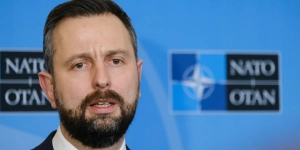
Ukrainian President Volodymyr Zelensky urged the Pentagon on Friday, November 20, to release pending deliveries of PAC-2 and PAC-3 missiles for Ukraine’s Patriot air defense systems. According to the Kyiv Post, Zelensky stated on Telegram that he had reviewed ongoing communications with US partners alongside Ukraine’s defense minister and stressed that Kyiv is counting on Washington to unblock the expected supplies.
The appeal followed another large-scale Russian missile and drone barrage against Ukraine. While Ukrainian forces intercepted 79 cruise missiles during the attack, Zelensky emphasized that defending against incoming ballistic missiles remains significantly more difficult and depends heavily on Western-supplied interceptors.
To reinforce Ukraine’s air shield ahead of winter, Zelensky also instructed the Foreign Ministry to contact international partners preparing air defense packages and push for accelerated shipments. He did not specify the exact size of the pending US consignments or provide an expected delivery timeline.
Approval bottlenecks and conflicting allied assessments
Friday’s plea follows weeks of public frustration in Kyiv over delays in US authorization for air defense equipment. In late October, Zelensky stated that Ukraine had waited nearly a month for Pentagon chief Pete Hegseth to sign off on Patriot and NASAMS missiles, including interceptors already financed by European allies through NATO’s Prioritized Ukraine Requirements List (PURL).


According to Radio Free Europe/Radio Liberty, an anonymous NATO source indicated that Washington was holding up shipments of direct-impact PAC-3 interceptors while older PAC-2 missiles continued arriving under the PURL mechanism. Because PAC-3 missiles are specifically engineered to destroy tactical ballistic missiles on impact, their absence has left a critical gap in Ukraine’s defenses.
Allied officials have offered differing accounts of the supply bottlenecks. While NATO’s supreme allied commander Europe, Gen. Alexus Grynkewich, insisted in late October that no ally-funded PURL weapons were delayed, US Secretary of State Marco Rubio acknowledged that some interceptors might not have arrived as Washington balances partner commitments against its own defense requirements.
Kyiv seeks existing stockpiles to bridge long production timelines
Long-term procurement agreements have failed to alleviate Ukraine’s immediate battlefield shortages. On October 30, Washington approved a potential $2.1 billion sale of 500 PAC-3 MSE interceptors—backed by funding from Canada, Germany, Norway, and Ukraine—but diplomatic sources noted that newly manufactured missiles are not expected to arrive until after 2030.
Welcoming the long-term approval, Zelensky warned that deliveries starting years from now cannot protect Ukrainian cities today and urged partners to transfer missiles directly from existing military inventories. Under Kyiv’s proposal, allies would send stockpiled interceptors immediately and replenish their own arsenals using Ukraine’s future production slots.
Ukraine has pursued similar arrangements with European partners to secure rapid winter reinforcements. Zelensky recently pressed German Defense Minister Boris Pistorius to speed up a two-year contract for German-made PAC-2 missiles, and formally proposed at the November 17 Ukraine Defense Contact Group meeting that allies swap existing Patriot and IRIS-T stocks for Ukraine’s pending factory orders.



