
 Daniel Wolfram
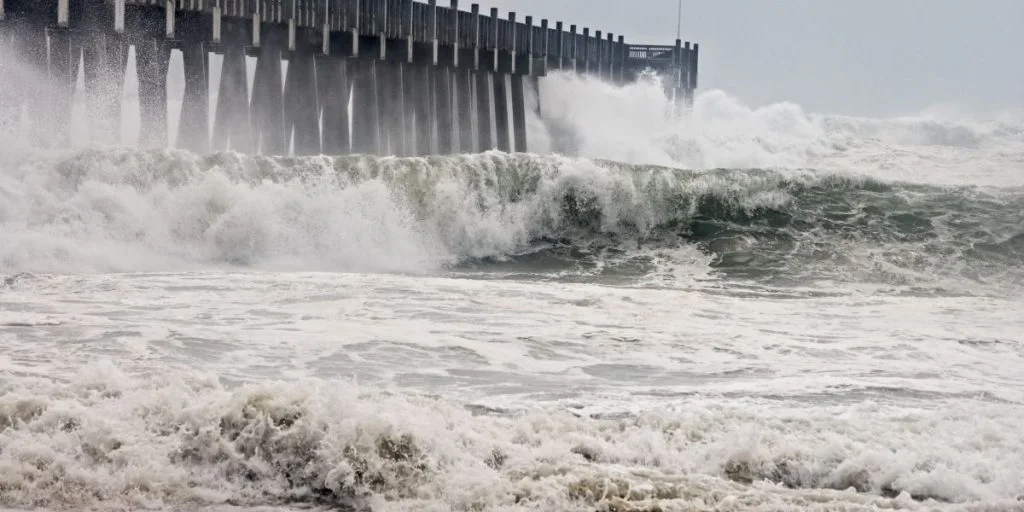
The typhoon has hit Japan hard and is a product of the super El Niño.

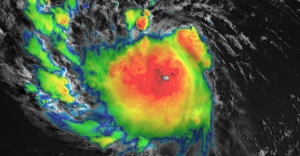
The climate phenomenon El Niño has caused weather disruptions all over the world this September.
Tropical storms, hurricanes, and now flooding are happening in every part of the world at the moment.
In Japan, residents are battling heavy storms that have caused major flooding and taken five lives.
Japanese streets flooded
Japanese authorities reported that five people died after Typhoon Dujuan hit Japan with torrential rainfall.


The typhoon swept through neighborhoods, while emergency crews searched for six missing residents. One victim died in a landslide in Sammu, according to disaster management officials via The New York Times.
The storm pushed northeast away from the mainland on Tuesday morning. Still, safety concerns remained high as over 74,000 residents stayed under evacuation orders.
Earlier in the week, officials had advised more than 500,000 people to evacuate. Deep waters soon filled urban streets, leaving pedestrians and vehicles struggling through submerged roads in Tokyo and Chiba.
Record rainfall
Rainfall figures reached extraordinary levels on Oshima Island, south of Tokyo. The Japan Meteorological Agency recorded 27 inches of rain within 24 hours on Monday, marking a new September record for the island.
The typhoon warning continues through Tuesday, and according to the Japan Meteorological Agency (JMA), there is a threat that this typhoon could break records.
“The total rainfall through Tuesday could exceed the average monthly rainfall for September, resulting in record-breaking heavy rain,” the JMA said, according to Al Jazeera.
Scientists link the intensity of recent storms to broader climate trends. The active El Niño phenomenon warms Pacific Ocean waters, altering global weather patterns and triggering extreme rainfall, flooding, and landslides in specific regions.
Dujuan disrupts travel
Widespread transportation issues were also a significant problem as infrastructure collapsed during the downpour. An estimated 400 flights were canceled at Tokyo’s Haneda Airport on Monday.
Furthermore, the East Japan Railway Company confirmed that several train routes were suspended or delayed on Tuesday as workers cleared damaged tracks.
The chaos even affected top government officials. Prime Minister Sanae Takaichi had to postpone her departure for the United Nations General Assembly in New York on Monday night due to the typhoon.



