
 Daniel Wolfram
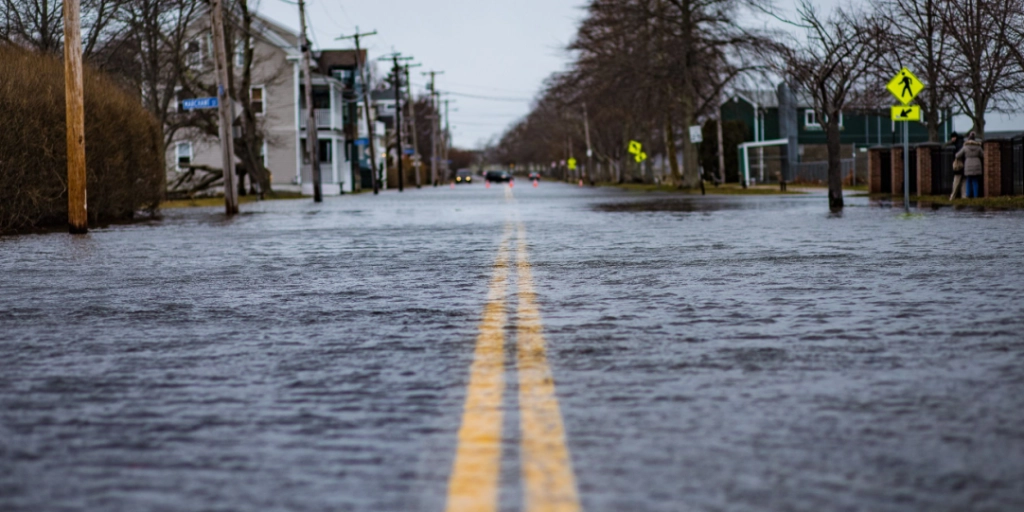
The severe weather continues in large parts of the US throughout the week.


There is a real possibility of flash flooding in large areas of the US because of Hurricane Polo.
The moisture from Hurricane Polo combined with a storm brewing over the US will create severe weather conditions.
It will be especially dangerous in Texas and New Mexico, where up to 18 inches of rain is expected to pour down. Flash floods are also expected in the two states.
Widespread impact
“As these features combine into a new, hybrid storm, the influx of moisture spreading across the central United States will pose the risk for flash flooding, especially for locations that recently observed notable rainfall totals and flooding,” meteorologist Alyssa Glenny from AccuWeather said.


This will also result in possible thunderstorms until Thursday night. Those are expected to hit the states of Texas, Oklahoma, Arkansas, Missouri, and all the way up to Michigan.
“Even if we didn’t have Polo, there would still be a heavy rain and flood threat in the central U.S. this week,” concludes Marc Chenard, a meteorologist from the NOAA Weather Prediction Center, speaking to USA Today.
Where is rain expected?
There has already been a lot of rain on the East Coast and the central part of the US this past weekend as well as Monday through Tuesday.
That rain is expected to range
from Texas all the way up to Iowa.
Metropolitan cities like Chicago and Minneapolis will also see their fair share of rain with up to eight inches expected in those areas.
Elevated flood risk
Because of the large amount of severe rain falling in a short period of time, there are flash floods expected from the hybrid storm.
According to AccuWeather, the areas that have gotten the most rain now have soil that is completely saturated with water and is therefore at an elevated risk of being flooded.
“Flash, urban, and river flooding impacts may also be possible starting mid-week across central Texas and southern Oklahoma,” AccuWeather states.
There is also a general warning to the American public to be cautious when driving – especially at night. As the National Weather Service has communicated, “Turn around, don’t drown,” if you encounter flooding while driving.



