
 Lauge Risom Koch
A British lawmaker warns that delayed government attribution of Russian sabotage leaves domestic companies and critical infrastructure unnecessarily vulnerable to hostile attacks.

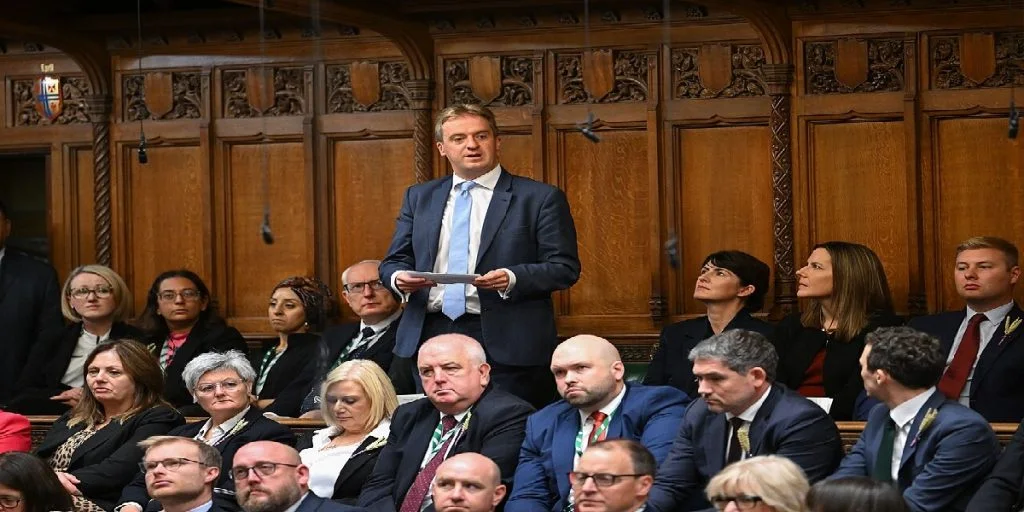
Labour MP Graeme Downie recently warned that Britain takes too long to publicly attribute acts of sabotage to Russia. According to United24Media, this delay leaves companies supporting Ukraine without timely warnings about potential threats. Downie contrasted the British approach with countries like Estonia, which recently blamed Moscow within days of an arson attack.
The lawmaker argued that the government effectively applies a strict criminal standard when deciding whether to attribute hostile activity. He suggested that relying on a lower civil standard would allow authorities to act significantly faster. Providing an alternative, Downie stated, “Rather than apply the criminal bar of beyond reasonable doubt, you probably apply a civil legal bar of overwhelming evidence, and on the balance of probabilities.”
This bureaucratic delay creates severe practical consequences for British companies actively supplying the Ukrainian military. Downie emphasized that while these specific firms should not necessarily be afraid, they must understand that they could become targets. Faster public attribution would serve as a crucial signal indicating that these targeted businesses urgently need to improve their physical protections.
The Putin tax and physical threats
Downie recently authored a comprehensive document titled “The Putin Tax” which examines the broader economic impacts of hostile Russian activities. The lawmaker specifically highlighted that Britain faces a severe physical threat regarding its subsea energy and communications infrastructure. He warned that even short disruptions to critical internet cables or energy networks could inflict major economic damage across the country.


Emphasizing the reality of these covert operations, Downie pointed to a high-profile arson attack on a warehouse in Leyton. During March 2024, criminals intentionally set fire to a facility specifically linked to humanitarian and military aid for Ukraine. Prosecutors later revealed that the devastating fire had been directly organized on behalf of the notorious Russian Wagner Group.
These hostile actions stretch far beyond localized incidents of arson and direct industrial sabotage within British borders. The domestic warnings directly coincide with alarming military reports regarding significantly increased Russian naval activity near British territorial waters. Military officials observed an elevated foreign presence operating aggressively across the vast expanses of the North Atlantic ocean.
Increased naval monitoring and military response
British warships and helicopters recently spent significantly more time tracking suspicious Russian naval movements. During the month of July, Royal Navy patrol ships and aircraft devoted exactly 21 days to carefully monitoring foreign vessels. This extensive surveillance effort represented a massive 25% increase compared to the recorded naval monitoring levels from July 2025.
The continuous deployment of expensive military assets further strains the domestic defense budget during a period of heightened international tension. Protecting critical underwater infrastructure requires constant vigilance from specialized naval fleets and advanced aerial reconnaissance units. These sustained military operations demonstrate the massive hidden costs associated with countering persistent threats from hostile foreign nations.
Downie insists that the government must modernize its diplomatic responses to match the aggressive pace of modern hybrid warfare. By quickly identifying covert attacks, the national administration can better protect domestic industries supporting the ongoing defense of Ukraine. Without immediate public attribution, critical supply chains and vulnerable infrastructure networks remain unnecessarily exposed to coordinated foreign sabotage.



