
 Camilla Jessen
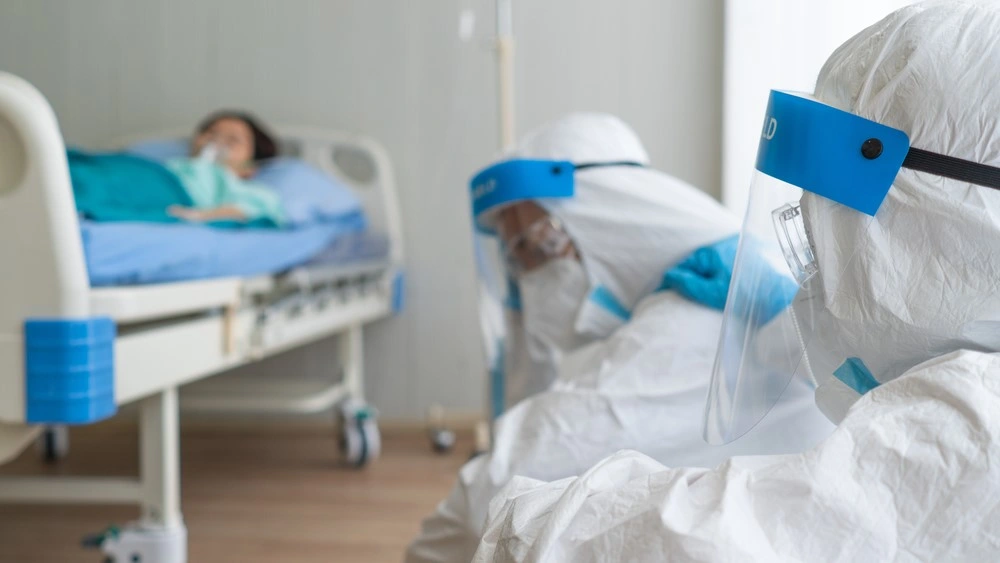
Health authorities have confirmed a new fatal case of the Nipah virus.


The World Health Organisation confirmed that a woman in northern Bangladesh died on Friday after contracting the Nipah virus in January. The patient, aged between 40 and 50, became ill on 21 January.
She developed fever and neurological symptoms, including headache, muscle cramps, loss of appetite and vomiting. Her condition later worsened, with confusion, hypersalivation and convulsions.
On 27 January she lost consciousness and was admitted to hospital, where she died the following day.
Source of infection
Laboratory tests on throat swabs and blood samples confirmed Nipah virus infection, according to health officials.


The woman had no travel history.
Investigators reported that she had repeatedly consumed raw date palm sap in the weeks before her illness. The WHO says most infections occur after eating fruit or sap contaminated by the saliva or faeces of infected fruit bats.
All 35 people who had contact with the patient are being monitored and have tested negative. No additional cases have been detected so far.
Regional concerns
The case follows an outbreak in India’s West Bengal state, where authorities have already introduced Covid-era border controls.
Two cases were confirmed there earlier this month.
This is the first Nipah-related death reported outside India during the current outbreak, prompting increased monitoring across the region.
Countries including Malaysia, Thailand, Indonesia and Pakistan have introduced airport temperature screenings after India confirmed five cases.
Health warnings
UK health officials say the virus is rare but highly dangerous, with a fatality rate estimated between 40 and 75 per cent.
Survivors may suffer long-term neurological problems, including seizures and personality changes.
In rare cases, the virus can remain dormant and reactivate months or years later.
The UK Health Security Agency said: “While the risk to most people remains very low, understanding the virus is important if you are planning to travel to areas where it circulates.”
WHO Director-General Tedros Ghebreyesus said authorities are responding quickly.
“Authorities have increased disease surveillance and testing, implemented prevention and control measures in health care settings, and are keeping the public informed about how to protect themselves.”
There is currently no vaccine or specific treatment for Nipah virus infection.
Sources: World Health Organisation, UK Health Security Agency, DailyMail



