
 Jens Asbjørn Bøgen

A source compares the foiled Russian plot in Poland to the Nazi false-flag attack on the Polish border in 1939.


For months, officials across NATO’s eastern flank have warned that Russia’s hybrid campaign in Europe was escalating beyond fires, cut cables, and the occasional stray drone.
What Polish intelligence sources say they stopped in early November points to something sharper, and far more dangerous for the alliance.
Russian intelligence services planned a sabotage operation inside Poland for late October or early November, designed to produce mass civilian casualties and to be blamed on Ukraine, Polish daily Rzeczpospolita reported Wednesday. One security source told the paper the aim was blunt: “The goal was to halt aid to Ukraine.”
Polish officials have confirmed responding to a credible border threat, though they have stopped short of publicly confirming the mass-casualty details described by anonymous sources.


Polish services had identified the specific installations the operatives were expected to target in advance, with the plan built around producing a high civilian death toll, a military source told Rzeczpospolita.
A 1939 template
Another source compared the scheme to the Gleiwitz incident, the Nazi false-flag attack on a German radio tower on Poland’s border in August 1939 that Hitler used as a pretext to invade.
Operatives crossing into Poland, the source said, would likely have been shot or left behind with evidence tying them to Ukraine.
Similar intelligence warnings were shared with security services in Estonia, Latvia, and Lithuania, Rzeczpospolita reported.
Flashlights near Sępopol
The scenario appears to have come to a head just after midnight on November 3, near the town of Sępopol in Poland’s Warmian-Masurian region.
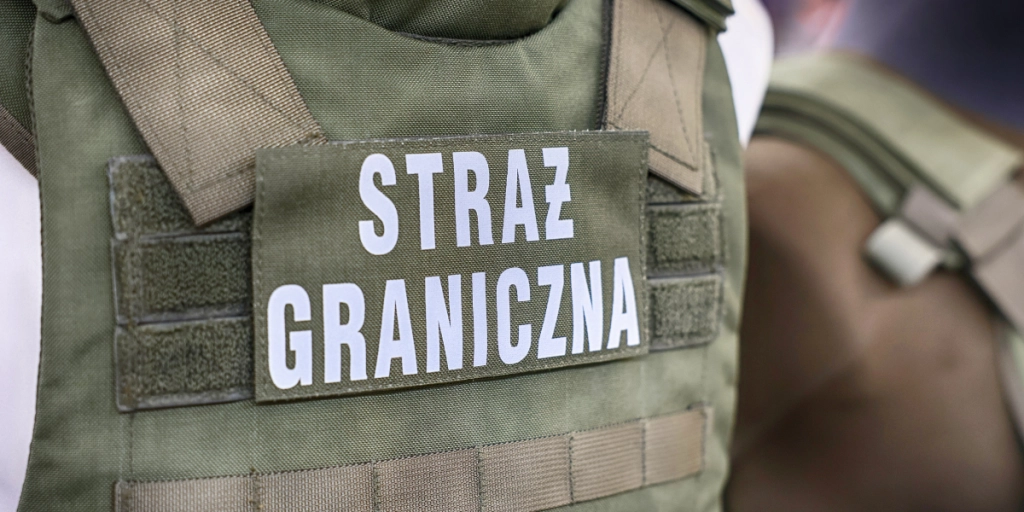
Prime Minister Donald Tusk said the Border Guard spotted “individuals with flashlights” moving along the frontier with Russia’s Kaliningrad exclave, according to The Moscow Times.
“We very quickly mobilized the appropriate forces and resources there, and we managed to prevent the provocation,” Tusk said. The figures withdrew back into Kaliningrad without crossing.
By then, Warsaw had already reinforced the area with roughly 180 riot police officers, counter-terrorism units, Internal Security Agency personnel, and special forces drills by the GROM, NIL, and AGAT formations, Kyiv Independent reported.
Tomasz Siemoniak, Poland’s minister-coordinator of special services, told Rzeczpospolita the response had been deliberate: “If we took certain measures, it was because we considered the threat to be real.”
Still on alert
NATO’s Supreme Allied Commander Europe, General Alexus Grynkewich, had warned allied governments that early November could bring acts of subversion or more serious provocations on the Polish-Russian frontier, Liga reported.
Polish authorities say the special operations headquarters set up for the Warmian-Masurian and Podlaskie border regions remains in place.



