
 Edith Hejberg
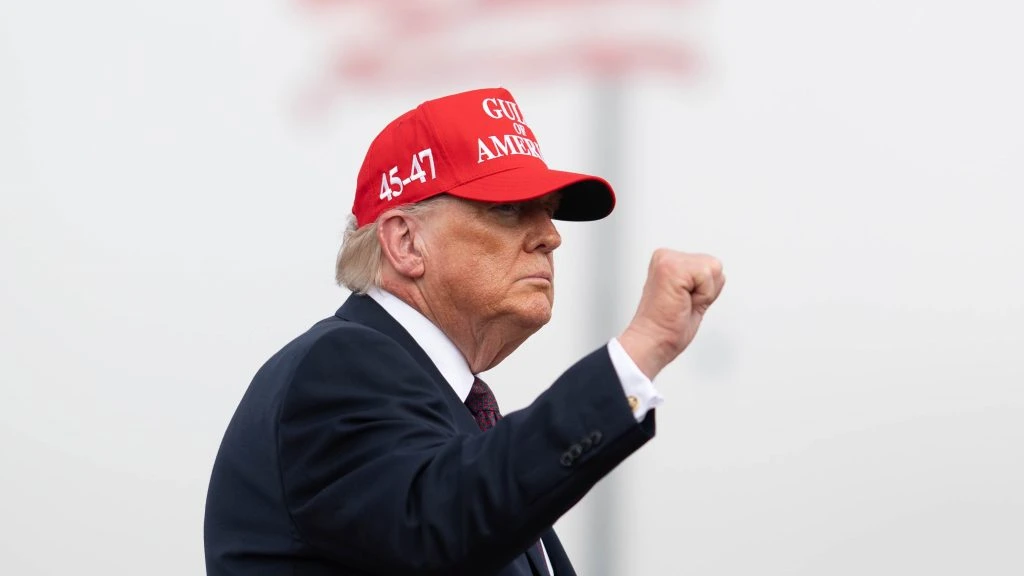
Marco Rubio argued that Americans should feel comparatively lucky because the US is better protected from global energy shocks than many other nations.

Donald Trump has said the financial strain facing Americans because of the war with Iran is “not even a little bit” influencing his approach to negotiations with Tehran. Speaking before boarding a plane to China, the US president argued that stopping Iran from obtaining a nuclear weapon remains his only priority.
His comments came as inflation continues to rise and voters grow more anxious about living costs. Trump insisted that economic worries are secondary to national security concerns, even as fuel and food prices continue climbing across the US.
“I don’t think about Americans’ financial situation”

Trump’s blunt remarks quickly drew attention in Washington and beyond. Asked whether the economic pain caused by the conflict was pushing him toward a peace agreement, he dismissed the suggestion outright.
“The only thing that matters when I’m talking about Iran [is] they can’t have a nuclear weapon,” Trump told reporters. “I don’t think about Americans’ financial situation. I don’t think about anybody. I think about one thing: We cannot let Iran have a nuclear weapon. That’s all.”


The statement landed at a time when many households are already struggling with higher everyday expenses.
Inflation reaches its highest level in three years
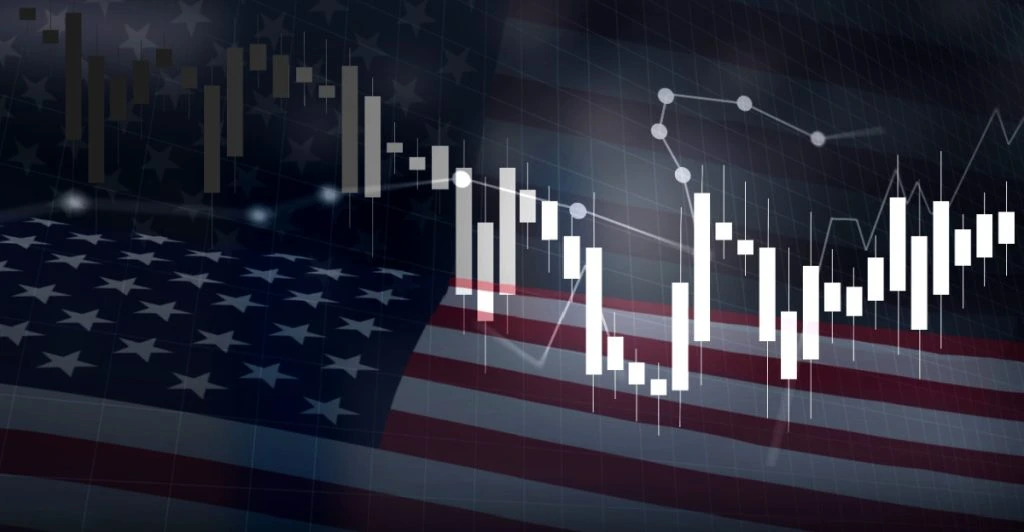
Fresh economic figures released on Tuesday showed US inflation rising to 3.8% in April, the fastest pace since 2023. Analysts say much of the increase is tied to higher energy prices following the escalation of the Iran conflict in late February.
The data has intensified concerns about affordability ahead of the US midterm elections. Rising prices for fuel, groceries and utilities are now becoming central political issues for both parties.
Economists warn that sustained energy shocks could keep inflation elevated for months.
Gas prices surge across the United States
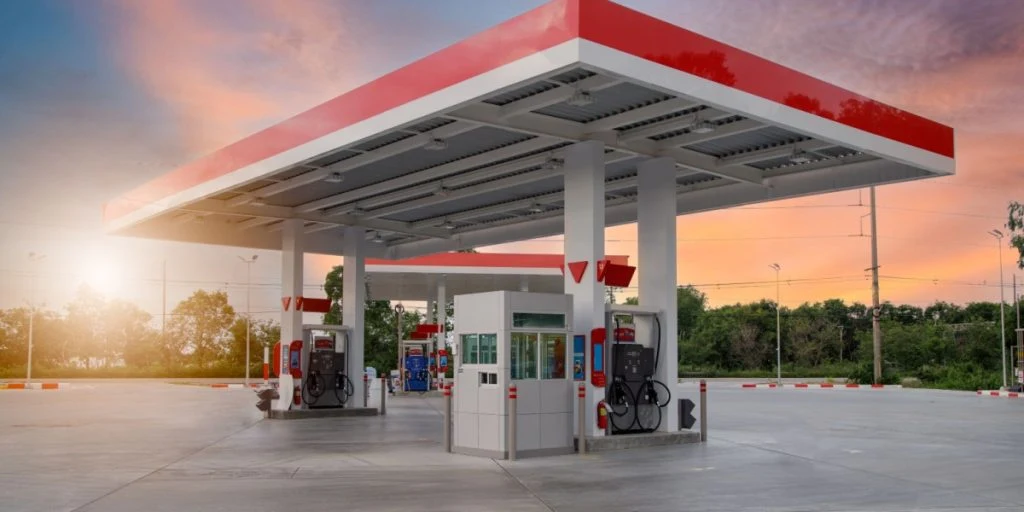
Americans are feeling the impact most visibly at gas stations. According to AAA, average gasoline prices have climbed above $4.50 a gallon, their highest level in four years.
The increase has placed extra pressure on commuters and businesses already coping with broader inflation. Higher transport costs are also filtering into food prices and airline fares.
Many drivers have compared current fuel costs to previous inflation spikes during global crises.
Food, electricity and travel costs climb

The effects of the war are spreading through multiple parts of the economy. Food prices are now nearly 4% higher, while electricity and utility bills have also risen sharply.
Airlines have increased fares by more than 20%, reflecting higher fuel expenses and operational costs. Families planning holidays or summer travel are facing significantly steeper prices than they expected earlier in the year.
The rising costs have added to concerns that household budgets could tighten further during the election season.
Trump officials struggle to predict relief

Several top administration figures have offered conflicting forecasts about when prices might ease. Energy secretary Chris Wright initially suggested fuel prices could return to prewar levels by summer.
More recently, however, he admitted he “can’t make predictions”. In an earlier CNN interview, he said prices below $3 a gallon “might not happen till next year”.
Trump himself has also avoided making firm promises, saying prices could go lower, remain the same or even rise slightly by November.
White House claims relief is coming soon
Kevin Hassett, Trump’s chief economic adviser, struck a more optimistic tone during a Fox News appearance on Sunday. He argued that economic relief would arrive “relatively quickly and certainly ahead of the election”.
Hassett also claimed Trump had privately reassured him that the conflict was nearing its end. Those comments appeared designed to calm investors and voters concerned about a prolonged war.
Even so, uncertainty around oil markets remains high.
Rubio says Americans are “fortunate”

Secretary of state Marco Rubio offered a different defense of the administration’s handling of the crisis. He argued that Americans should feel comparatively lucky because the US is better protected from global energy shocks than many other nations.
Rubio said other countries were suffering “big time” from rising prices. He claimed the US, as a net oil exporter, was “very fortunate” and “insulated to some degree” from the worst effects.
His remarks sparked criticism from opponents who argued many American families do not feel insulated at all.
The war’s economic impact spreads worldwide

The economic fallout from the Iran conflict is not limited to the United States. Inflation is also accelerating in Australia, Canada and South Korea.
In Britain, households have been warned about the possibility of another cost-of-living crisis. Meanwhile, manufacturers across Asia are already passing higher production and transport costs down supply chains.
Global markets remain sensitive to any developments in the Middle East conflict.
Trump points to avoided worst-case scenarios

Despite the rising costs, Trump argued that predictions of economic disaster had failed to materialize. He noted that some analysts had warned oil prices could reach $300 a barrel and trigger a severe stock market crash.
“A lot of people predicted that,” Trump said. “Well, it didn’t happen.”
He also reminded reporters that inflation had been running at 1.7% before the war began, suggesting the current spike could reverse once the conflict ends.
Consumer confidence continues to weaken

New research from the University of Michigan found that consumer confidence has fallen to levels last seen in 2022, when inflation surged during the Covid-19 recovery period.
The findings suggest many Americans remain worried about the broader direction of the economy. Concerns about affordability are increasingly shaping public opinion ahead of the midterm campaign season.
Voters are paying close attention to fuel costs, grocery bills and housing expenses as economic uncertainty grows.
Trump predicts a new “golden age”
Even with inflation climbing, Trump insisted his economic policies were working “incredibly”. He argued that once the war concludes, oil prices would fall sharply and financial markets would rebound.
“When this war is over, oil is going to drop, the stock market is going to go through the roof,” Trump said.
He ended his remarks with another optimistic prediction about America’s future. “You’re going to see a golden age like we’ve ever seen before.”
Midterm elections loom over economic debate
The growing debate over inflation and affordability is expected to dominate the coming midterm election campaign. Republicans are defending the administration’s handling of the Iran war, while critics argue ordinary Americans are carrying the financial burden.
Trump’s latest comments are likely to become a major talking point as voters weigh national security concerns against rising living costs.
With energy markets still unstable, the political and economic pressure on the White House may continue to intensify in the months ahead.



