
 Mikkel Christensen
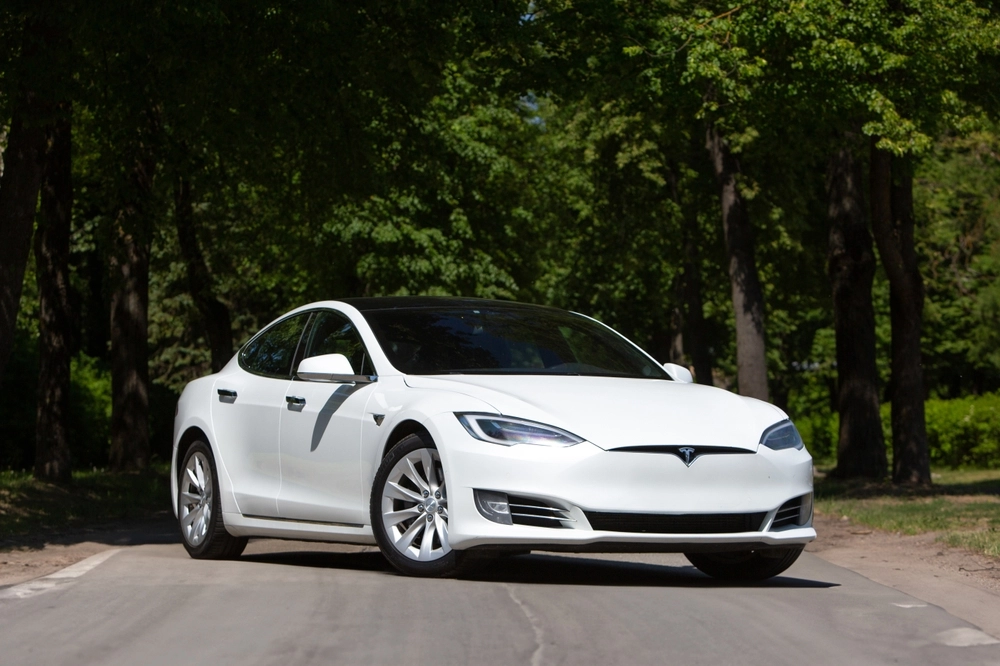
Tesla may still dominate headlines, but a growing number of electric car buyers are now turning to rival brands offering longer range, faster charging and lower prices.


Tesla may still dominate headlines, but a growing number of electric car buyers are now turning to rival brands offering longer range, faster charging and lower prices.
According to Quartz, automakers including Hyundai, Ford, BMW and Lucid are rapidly gaining ground as competition across the EV market intensifies.
New EV leaders
Several newer electric models are now matching or even outperforming Tesla vehicles in key areas like charging speed and driving range.
Quartz highlighted the Hyundai Ioniq 5 as one of the standout performers of 2026, earning strong reviews for value, fast charging and overall practicality.


The updated model reportedly starts around $35,000 while offering up to 318 miles of range.
Its 800-volt charging system can recharge the battery from 10% to 80% in roughly half an hour.
Luxury rivals grow
Lucid is also emerging as a serious challenger in the premium EV space.
The Lucid Air now offers up to 512 miles of range, one of the highest figures currently available in a production electric car.
According to Quartz, the Air can also recover around 200 miles of range in just 16 minutes using fast charging.
Luxury brands including BMW and Porsche are also expanding their EV lineups as buyers seek alternatives to Tesla.
Affordable options
At the lower end of the market, Nissan is attempting a major comeback with the redesigned Leaf.
The new version reportedly starts below $30,000 while offering more than 300 miles of range.
Ford’s Mustang Mach-E and Kia EV6 were also highlighted as strong alternatives for drivers wanting sporty performance without Tesla branding.
Many of the latest EVs now include access to Tesla’s Supercharger network through NACS charging support.
Market shifts
Quartz noted that Tesla’s biggest advantage for years was its charging infrastructure and long-range technology.
But as more automakers adopt faster charging systems and gain access to Superchargers, that gap is shrinking quickly.
Analysts say buyers are now focusing more on design, interior quality and pricing rather than simply choosing Tesla by default.
The growing competition marks one of the biggest shifts in the EV industry since Tesla transformed the market more than a decade ago.
Sources: Quartz, U.S. News & World Report



