
 Nicolai Haugsted
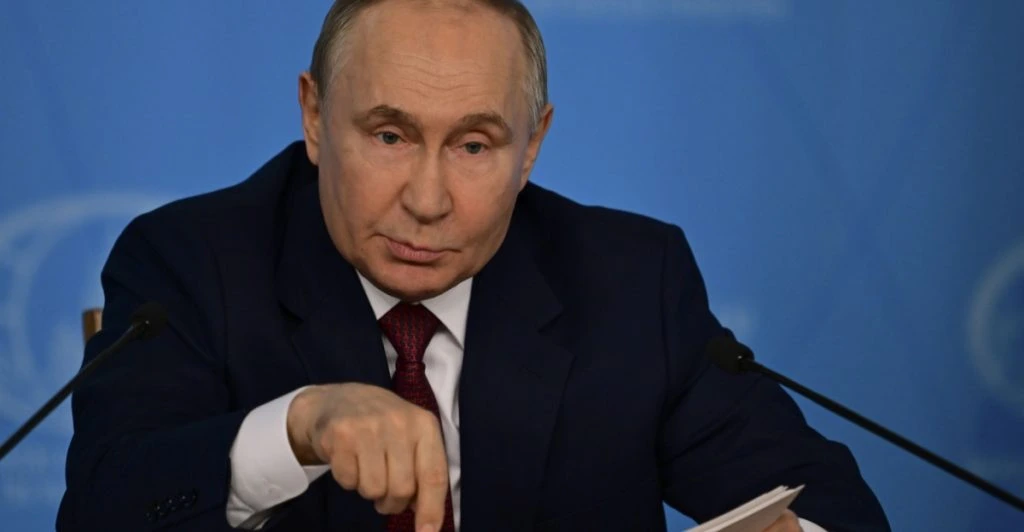
Russia’s Defense Ministry announce the story this morning.


Nuclear rhetoric has returned to center stage in Moscow — and now Russia is backing the warnings with one of its largest military drills in recent years.
Russian authorities confirmed Monday that tens of thousands of troops will participate in a massive three-day nuclear exercise involving missiles, submarines, warships and strategic aircraft.
Tens of thousands called into drills
According to Russia’s Defense Ministry, roughly 64,000 personnel have been mobilized for exercises running from Tuesday through Thursday.
Officials stated the drills are designed to prepare Russian forces for deployment and operational readiness under conditions involving a possible attack scenario.


“From May 19 to May 21, 2026, the Russian armed forces will conduct exercises to train the preparation and deployment of nuclear forces under the threat of attack,” Russia’s Defense Ministry announced in a statement carried by state news agency Tass.
Military planners are reportedly deploying an enormous amount of hardware during the exercises.
Russian forces are expected to use more than 7,800 weapons systems, 200 missile launch platforms, over 140 aircraft, 73 naval vessels and 13 submarines throughout the operation.
Missile launches included
Russian officials also confirmed the drills will involve test launches of both ballistic missiles and cruise missiles.
Authorities have not publicly disclosed where inside Russia the exercises will take place.
Scale and timing of the operation nevertheless immediately attracted international attention due to the growing tension between Moscow and Western countries following years of conflict surrounding Ukraine and NATO expansion.
Nuclear agreement no longer in place
Timing of the exercises also comes only months after the expiration of the New START treaty between Russia and the United States.
That agreement represented the final remaining nuclear arms control framework between the world’s two largest nuclear powers.
Without the treaty, both countries are no longer bound by previous limitations regarding strategic nuclear arsenals and inspections.
Military analysts have repeatedly warned that the collapse of nuclear agreements increases uncertainty surrounding future arms deployments and strategic escalation.
Moscow continues signaling military strength
Russian officials have steadily increased military messaging throughout 2026 as relations with the West continue deteriorating.
Large-scale exercises involving nuclear-capable systems have increasingly become part of Moscow’s broader geopolitical signaling toward both NATO and Washington.
Kremlin leaders continue insisting Russia must maintain readiness against what they describe as growing external threats surrounding the country’s borders.
International observers are now expected to closely monitor the upcoming exercises for signs of new missile systems, strategic movements or broader military escalation.



