
 Jens Asbjørn Bøgen

They may be effective, but so are Ukraine’s drone forces.

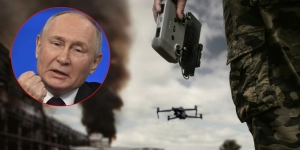
Russian forces have started using advanced electronic weapons to knock out Starlink internet connections on the battlefield.
According to a Reuters report from July 8, Ukrainian forces rely heavily on Elon Musk’s satellite network to pilot their mid-range strike drones. This new jamming push is designed to cut the link between operators and their aircraft.
For months, these cheap drones have transformed the war by striking targets deep behind the lines. Ukrainian units have used them to hit fuel depots, command centres, and supply networks, causing massive logistical headaches for Moscow. Military experts told Reuters that this drone campaign has been the most important battlefield shift of the year.
But the electronic landscape is changing fast. Serhii Beskrestnov, an advisor to Ukraine’s defence ministry, told Reuters that Russia is deploying a new jamming complex called the Volna Kupol Garant.


The system uses massive trailers and heavy power to flood the air, shutting down Starlink access across an area of about 20 square kilometres.
Hunting the jammers
So far, Ukrainian forces have spotted around 10 of these electronic units along the front line.
But even though the trailers are effective, they have a noticeable flaw: Because they emit an incredibly powerful radio signal, they are relatively easy for electronic intelligence teams to track down.
According to Reuters, each setup costs about $1.5 million, making them highly prized targets for Ukrainian operators.
The systems have already drawn heavy fire from Ukrainian drone crews eager to clear the skies. A commander from the 422nd Unmanned Systems Regiment, who goes by the callsign “Dyryhent”, told Reuters that his unit helped destroy two of them.
One hit was pulled off in a joint mission with the SBU security service.
The strike successfully cleared the airwaves for local forces. “As soon as we struck that installation, our Starlink-equipped (drones) flew without problems,” Dyryhent said.
Still, the long-term impact will depend on how fast Moscow can mass-produce these weapons. Rob Lee, a senior fellow at the Foreign Policy Research Institute, told Reuters that Russia is starting to find some success against the drone attacks.
If they scale up production, he warned, it could seriously complicate Ukraine’s mid-range strike campaign.



