
 Jens Asbjørn Bøgen
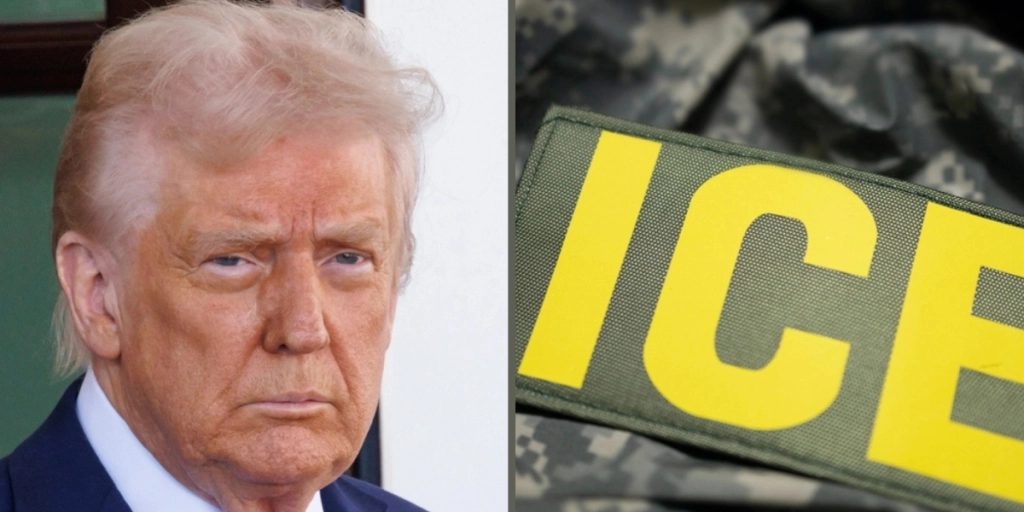
According to the ex-official, the traffic stops are not a traditional ICE strategy, increasing safety concerns.


Immigration and Customs Enforcement recently suspended most traffic stops after agents shot and killed two men in Maine and Texas.
Yet, the new rule barely had time to settle before Donald Trump stepped in. He immediately demanded a full rollback. Trump insisted the tactic remains completely vital for tracking down criminals across the country.
“We CANNOT give up one of I.C.E.’s most important and effective Crime Fighting tools, THE TRAFFIC STOP!” Trump wrote on Truth Social. He added that stopping the practice would play right into the hands of criminals.
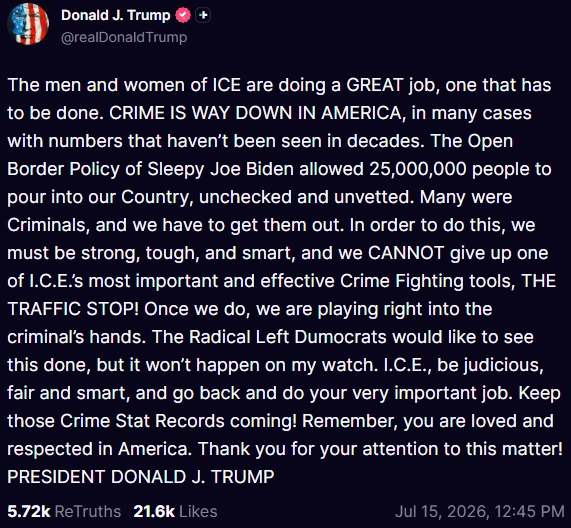
Following the online post, the agency went back to business as usual. This lightning-fast policy shift sparked immediate concern from former officials who track federal law enforcement.


They argue that rushing back to these tactics puts people at risk.
Danger on the road
Speaking on MS NOW, former ICE chief of staff Jason P. Houser slammed the decision. He warned that sending unmonitored agents into unpredictable roadside stops creates an entirely unnecessary safety hazard for everyone involved.
The choice puts both communities and officers in danger.
Show host Katy Tur noted that the two men killed were not even the suspects ICE wanted. Even worse, neither of the officers involved wore a body camera.
According to Houser, the agency has the money to buy the cameras. Plans started during the Biden administration, meaning there is “no rational reason” they are missing.
He believes the technology could roll out within 90 days.
Houser emphasises that the question of bodycams is not just about accountability, but a safety measure for both the community and the agents.
Missing tools
The issue goes beyond cameras. Houser explained that random traffic stops are “not sort of in their tactical … toolkit.”
While specialized fugitive teams occasionally pull over convicted criminals, random roadside sweeps are a completely different story.
He compared the activities to local police stops rather than normal federal operations. Historically, the agency simply does not operate this way.



