
 Lauge Risom Koch
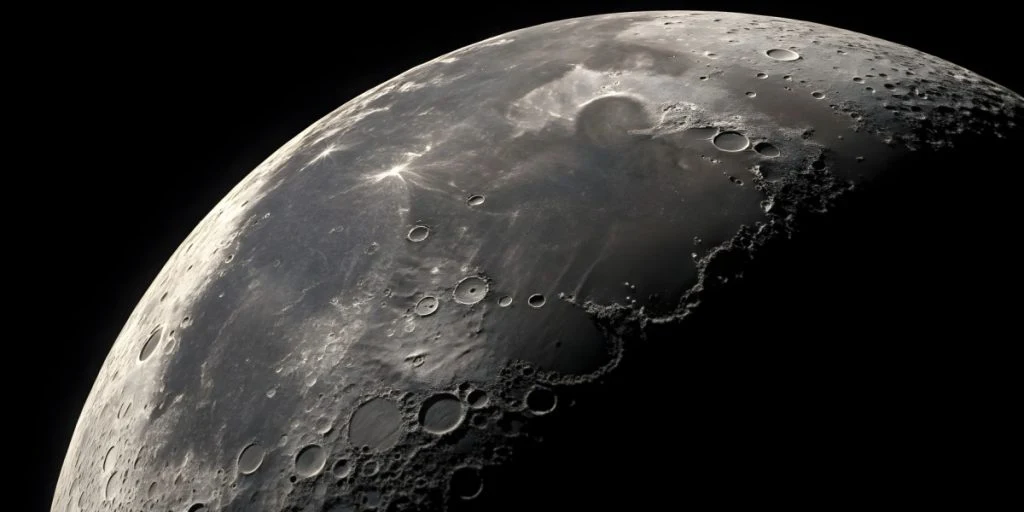
NASA is monitoring a possible unplanned collision between the upper stage of a SpaceX Falcon 9 rocket and the Moon on August 5, although scientists say the event is unlikely to pose any danger or be visible from Earth.


A section of a SpaceX rocket could collide with the Moon next month in an unintended impact that scientists have been tracking for months.
According to Euronews, citing dpa, NASA and independent astronomers expect the upper stage of a Falcon 9 rocket to strike the lunar surface on August 5, although the event is not expected to pose any danger.
Impact forecast
The rocket stage dates back to a SpaceX Falcon 9 mission launched in January 2025 that sent two lunar landers toward the Moon.
According to Euronews, citing dpa, astronomer Bill Gray and NASA have calculated that the discarded upper stage is on course for a possible impact. Gray, who developed the Guide astronomy software used to track objects in space, first published the prediction last September after earlier calculations had suggested a possible collision in March.


The report notes that the upper stage weighs around four tonnes and is travelling at more than two kilometres per second, citing information from Space.com.
Visible from Earth?
Experts are still assessing whether the collision could be seen from Earth. According to Euronews, citing Space.com, the impact may occur near the edge of the Moon as viewed from Earth, meaning a cloud of dust could be illuminated by the Sun and become visible.
NASA, however, believes the chances of observing the event are slim. “I think it will be very, very hard to see, if not impossible,” William Cooke, a manager at the US space agency, told dpa.
Growing space debris
According to Euronews, citing dpa, the incident highlights the increasing amount of space debris orbiting Earth. A similar unplanned impact occurred four years ago, when NASA’s Lunar Reconnaissance Orbiter photographed a new crater believed to have been created by space debris. At the time, scientists suspected an old Chinese rocket stage was responsible, an allegation China denied.
While spacecraft are sometimes intentionally crashed into the Moon for scientific purposes, the expected August 5 impact was not planned. dpa reported that SpaceX had not responded to a request for comment.
Sources: Euronews, dpa, Space.com



