
 Jens Asbjørn Bøgen
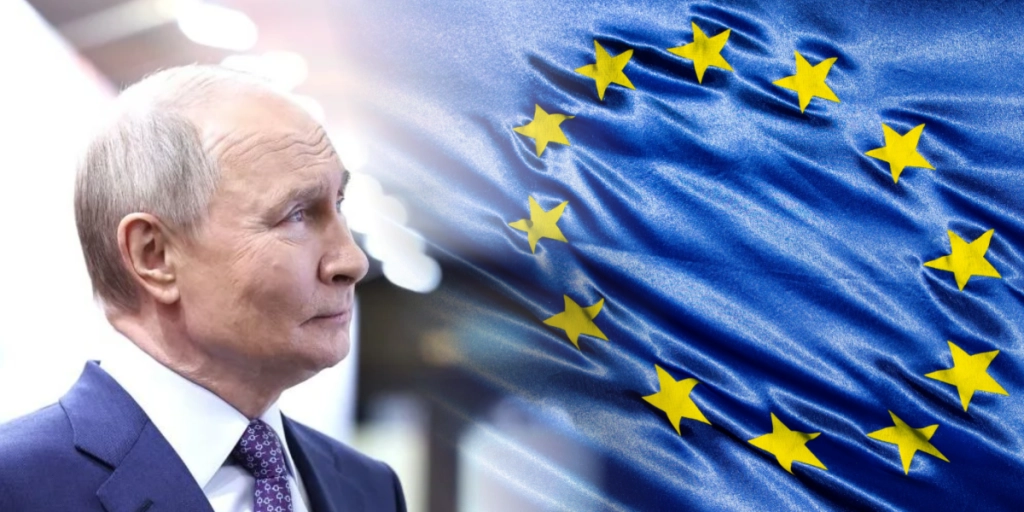
A diplomat said that the country “looks isolated, almost like Hungary before.”
Keeping twenty-seven nations on the same page is rarely simple.
When massive economic interests are on the line, European leaders usually end up bargaining behind closed doors to decide how far sanctions can go.
Previously, it was Hungary, with its Prime Minister Viktor Orbán, who blocked various suggestions targeting Russia, including sanctions packages, and Slovakia’s Prime Minister Robert Fico has also proven more Kremlin-friendly than most.
But as the European Union is discussing the 21st sanctions package against Russia, a new hurdle emerges, and this time it is coming from the South.


One remaining hurdle
Athens has emerged as the final obstacle standing between the European Union and its 21st sanctions package against Russia. Suspilne, the Ukrainian public broadcaster, broke the story on July 20.
At issue is energy shipping, as Greek officials argue that banning European shipping companies from re-exporting Russian liquefied natural gas to non-EU markets will devastate their domestic maritime industry.
At the same time, Athens claims the proposed restriction will do almost nothing to weaken Moscow’s war chest. Brussels sees things very differently.
Commission officials are now preparing a detailed economic analysis to challenge the Greek position before diplomatic talks resume in Brussels on July 22.
To break the deadlock, European leaders are actively weighing two potential options: grant Greece a full exemption or drop the gas re-export ban altogether from the final draft.
Done it before, but not alone
Greece also resisted the 11th sanctions package against Russia, when they teamed up with Orbáns Hungary.
At that time, Ukraine had included several Greek shipping companies on its “international Sponsors of War ” list, and Greece withheld its approval of the package until the firms was removed or suspended from the list.
Currently, Greece is the only country threatening a full veto over the LNG transit ban included in the 21st sanctions package.
Compromise in sight
The proposed package has already shrunk. Plans to ban Russian fish purchases were dropped earlier in negotiations, and proposed rules aimed at blocking Russian military personnel from entering member states were quietly rewritten.
Isolation is growing, with one EU diplomat telling Suspilne that Greece “looks isolated, almost like Hungary before,” adding that government officials in Athens will ultimately have to “find a compromise.”
Greece is not alone in pushing back against tough measures, however. On July 19, the Financial Times reported that several member nations, including France, Italy, Germany, Austria, and Portugal, fought to soften restrictions to safeguard domestic businesses.
Meanwhile, Politico reported on July 3 that Italy raised red flags over sanctioning Russian Orthodox Patriarch Kirill following direct pressure from the Vatican.
First unveiled on June 9, the broad 21st package targets banks, weapons makers, refineries, and shadow fleet operations. But because EU decisions require complete unanimity, a single government still retains the power to delay the entire project.



