
 Jens Asbjørn Bøgen

Despite reportedly hitting 172 Russian ships in two weeks., the drone chief says “the naval battle has not yet taken place.”

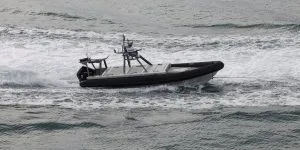
Ukraine’s Unmanned Systems Forces are wreaking havoc on Russian troops and logistics. Lately, Ukrainian drone forces have been targeting Russian supply lines to the occupied peninsula of Crimea.
According to the commander of Ukraine’s drone forces, Robert “Magyar” Brovdi, the campaign has forced Russia to change its priorities.
In a post on X published on July 18, Brovdi claimed that Russian forces have pulled 200 elite drone crews from the front line to protect ships targeted by Ukraine—simply because Moscow now needs a defensive crew for every surviving vessel.
Battle for the waves
According to Brovdi, Moscow has also mobilized the 51st Air Defense Division alongside an anti-aircraft regiment to protect its ships. These units rely on anti-drone interceptors, mobile launchers, and heavy machine guns to ward off strikes.


Ukrainian forces remain focused on their primary objectives across these vital waterways. “Well, if they want a naval battle, a naval battle they will have,” Brovdi stated.
He emphasized that the ultimate aim is to disrupt key logistics without causing environmental disasters.
“The goal remains unchanged: to stop the movement of oil, fuel, and goods that circumvent sanctions,” Brovdi explained. “Each self-propelled ship will be transformed into a blind and deaf barge, drifting at sea.”
Counting the cost
According to Brovdi, Operation MoLoChKa—meaning “Moscow will fall through Crimea”—has racked up massive numbers with 172 Russian ships hit in 13 days, ranging from cargo carriers to oil tankers.
These relentless strikes are already disrupting key commercial trade. According to sources cited by Reuters, Russia has been forced to restrict shipping in the Sea of Azov, a key corridor for global grain exports.
Markets reacted swiftly. As Reuters reported, European wheat prices jumped by about 8% as traders braced for shifting supply chains across international trade routes.



