
 Kenneth Glad
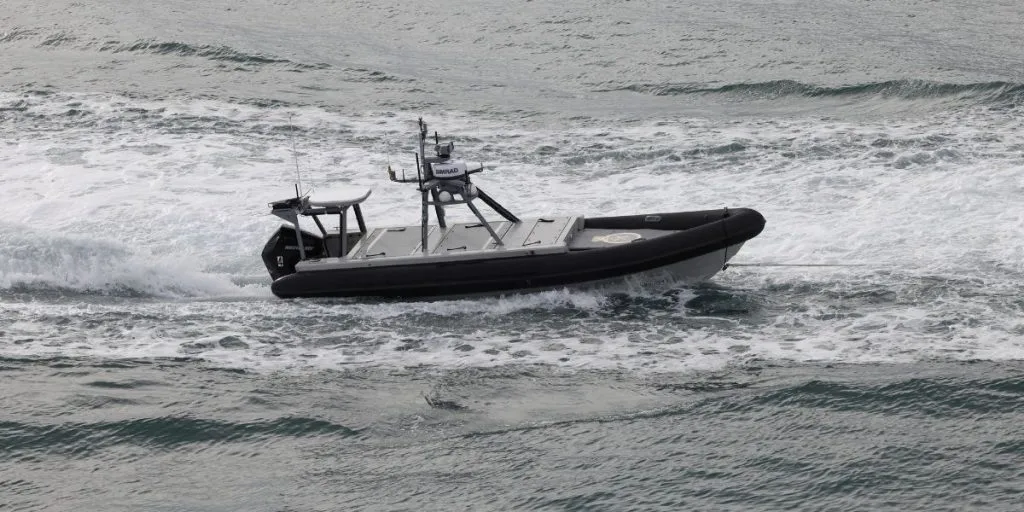
The exercises are examining how machines could support ships and sailors at sea. They also show why human oversight remains central to the Dutch plans.


A five-week Royal Netherlands Navy trial near Den Helder is testing whether uncrewed boats, aircraft and underwater vehicles can take on more naval work without removing people from key decisions.
The Guardian reports that the program is part of a wider effort to keep sailors away from dangerous or repetitive assignments. The navy also wants its systems to handle larger amounts of information at greater speed.
Captain Sjoerd Feenstra, head of the service’s unmanned-systems expertise centre, said crewed ships may eventually operate with a surrounding group of uncrewed platforms.
The latest Dutch military budget aims for such systems to carry out more than half of certain military tasks within five years. The UK plans to spend more than £5 billion on similar technology over a comparable period.


GeoSea, once used to monitor the seabed around windfarms, is now serving as the trial base. From there, the navy is testing aerial drones, surface vessels and underwater equipment designed to map mines.
People remain involved
The Dutch navy is treating the equipment as a network whose parts can be changed as new models become available. That means a new drone, boat or software package can be added without replacing the whole setup.
During the trials, the machines can follow instructions, patrol assigned areas and send information back to operators. People still decide what the mission is and how to respond to what the systems detect.
Ferdinand Peters, who leads software integration, warned The Guardian that artificial intelligence can produce false results:
“You need to let the system work for you, but not think for you. We need to think carefully about where we use it and where we do not.”
Feenstra said a machine would not make the final decision to fire a weapon. A person would remain in the decision-making chain.
That does not settle every concern. Errors may still begin with software before reaching a human operator, making it harder to determine where responsibility lies.
Naval analyst Lee Willett said the Netherlands has gained attention because it is developing advanced systems despite having a relatively small navy. Sidharth Kaushal of the Royal United Services Institute said the shift may reduce long periods at sea but create greater demand for engineers.
The trials suggest that automation will change naval jobs rather than remove them. Sailors may spend less time in exposed areas, while more work moves towards maintaining equipment, checking data and supervising machines.
Sources: The Guardian



