
 Nicolai Haugsted
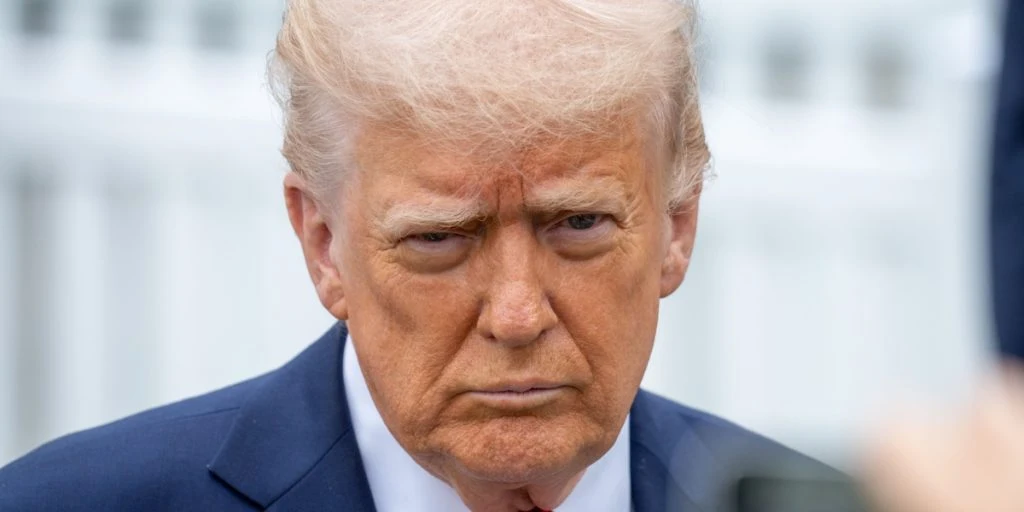
Trump’s latest tariff offensive could affect almost every US trading partner.


American businesses are facing renewed uncertainty as the Trump administration prepares to replace expiring emergency tariffs with a broader and potentially permanent trade regime affecting dozens of countries.
According to ElEconomista, President Donald Trump’s trade team is expected to unveil new duties within days, using a different section of US trade law after the current 10 percent tariff expires on Friday. Around 99 percent of American trade could ultimately become subject to tariffs under the proposed measures.
Trump introduced the existing 10 percent duty under Section 122 of the Trade Act of 1974 after the Supreme Court struck down much of his earlier tariff package in February.
Section 122 allows a president to impose emergency trade restrictions for no more than 150 days. That deadline is now approaching, forcing the administration to find another legal route if it wants the tariffs to remain in place.


US Trade Representative Jamieson Greer confirmed during a CNBC interview on Tuesday that new measures would be announced “in the coming days,” including tariffs intended to replace those set to expire.
Forced-labour investigation targets 60 countries
Officials are now preparing to rely on Section 301, which permits Washington to impose tariffs in response to trade practices judged to be unfair or harmful to American companies, workers or exports.
Greer’s office opened an investigation in March covering 60 countries accused of failing to prohibit forced labour within their supply chains.
Preliminary findings issued earlier this month proposed tariffs of 10 percent on more than a dozen trading partners, including the European Union, Canada and Mexico. Proposed duties for the remaining countries stand at 12.5 percent.
China, India, Japan and South Korea are among the economies expected to be covered by the wider measures.
Permanent duties require public consultation
Section 301 could allow the administration to keep the tariffs in place indefinitely, unlike the temporary authority currently being used.
Final implementation cannot happen immediately, however. The Office of the United States Trade Representative must first publish its completed investigation and submit the proposal to a public hearing.
Companies, trade associations, labour unions, experts and foreign governments will be permitted to argue for or against the planned duties. Public consultation does not amount to a vote, nor does it guarantee that tariffs will take effect immediately after the hearings conclude.
Roughly 1,500 American companies have already requested exemptions and will now wait to learn whether their applications are accepted.
Drug imports also face steep tariffs
Trump has separately announced plans to impose a 100 percent tariff on generic medicines by 2028, followed by an increase to 200 percent the following year.
Writing on Truth Social, the president argued that the policy was designed to encourage pharmaceutical manufacturers to move production to the United States rather than primarily raise government revenue.
Washington’s stated goal is to reduce American dependence on overseas medicine suppliers, particularly manufacturers based in China. The proposal could carry major consequences for drugmakers, healthcare providers and consumers if production fails to shift before the tariffs take effect.



