
 Kenneth Glad
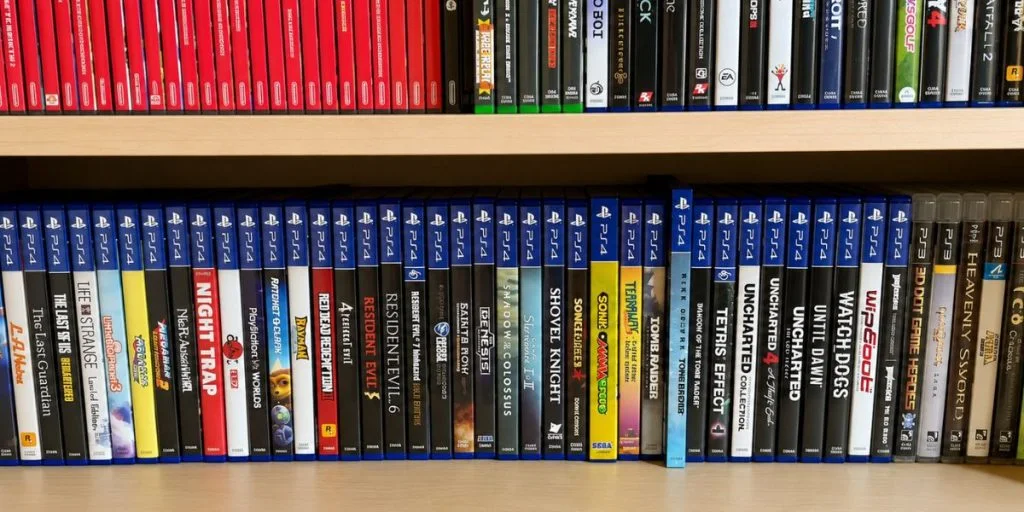
Digital distribution is becoming the default across the entertainment business. For players, the change brings faster access but also renewed uncertainty about what a purchase actually guarantees.


Sony Interactive Entertainment will stop producing discs for newly released PlayStation games beginning in January 2028, marking one of the industry’s clearest moves away from physical media, writes BBC.
Games released, or already scheduled for release, before January 2028 will not be affected by the policy. Sony has said retailers may continue selling new titles in digital formats, although it has not promised that every release will receive a boxed edition containing a download code.
The announcement came shortly after Rockstar Games disclosed that the boxed retail edition of Grand Theft Auto VI would contain a download code rather than a playable disc.
Digital sales take over
Sony said changing customer preferences were behind the decision, adding that demand for digital media now significantly outpaces physical disc purchases among PlayStation users.


Rune Fjeld Olsen, a gaming critic and expert at Norwegian broadcaster NRK, said the financial incentives are also clear. Producing discs, transporting inventory and supplying stores all create costs that digital distribution avoids.
Fjeld Olsen says that he now buys games digitally himself and has more than 700 titles in his online library.
Oda Rygh, a contributor to Gamer.no who was interviewed by NRK, said convenience is a major part of digital gaming’s appeal. In her view, platforms are not just selling games. They are selling time, as players can buy a title immediately without visiting a store or waiting for delivery.
Players lose flexibility
When there is no disc, players cannot lend it to a friend, trade it in or sell it after finishing the game.
Digital purchases are commonly attached to individual accounts and remain subject to the platform’s licensing rules. Rygh told NRK that customers increasingly pay for access rather than receiving permanent control over the products they buy.
Fjeld Olsen raised similar concerns about games that depend on active online services. He pointed to Concord, a Sony-published multiplayer shooter that launched for PlayStation 5 and PC on August 23, 2024.
Sony removed the game from sale and shut down its servers just two weeks later. Firewalk Studios said parts of the release had not connected with players as intended, while industry reporting linked the decision to poor sales, low player numbers and a difficult launch in the crowded online-shooter market. Buyers were offered full refunds.
Initially Sony said it would consider other ways of reaching players, but the game never returned. In October 2024, the company confirmed that Concord would be permanently discontinued and that Firewalk Studios would close.
For Fjeld Olsen, the case demonstrates how quickly access can disappear when a purchased game relies entirely on company-operated servers.
Paid content can vanish
Kjell Gunnar Høen, a Norwegian collector who owns about 40,000 games, said to NRK that even modern disc releases may require large downloads, updates or access to servers maintained by publishers.
The ownership debate extends beyond video games.
Sony has warned customers in the United Kingdom that previously purchased StudioCanal films and television programs will become inaccessible and be removed from their PlayStation video libraries on September 1, 2026. The company attributed the removal to content-licensing arrangements.
Both cases show that a digital purchase can disappear after a customer has paid for it.
Gaming journalist Vikki Blake described Sony’s decision as a “body blow to consumer rights” in comments published by the BBC. She said the move could particularly affect people who depend on borrowing games, exchanging them or buying used copies to manage the cost of major releases.
The end of discs could also make preservation more difficult. Once a game depends entirely on corporate servers, account systems and digital storefronts, continued access rests largely with the companies controlling those services.
The collector feels relieved
Despite owning 40,000 physical games, Høen is not especially upset.
He previously helped run the Norwegian video game retail chain Spiderman and told NRK that talks of physical releases disappearing have been around for at least two decades. He said he was surprised that discs have remained commercially important for so long.
Høen even expressed some relief at the change. With around 40,000 games already filling his collection, he can focus on the titles he owns, and that he has no room for many more.
Fjeld Olsen believes physical gaming will still retain a specialist audience. He told NRK that used-game stores, retro events and collectors could keep older formats alive even after discs disappear from mainstream new releases.
Physical games may no longer dominate store shelves, but they are unlikely to vanish from gaming culture. Collectors such as Høen will continue preserving them, even as the wider industry moves toward licenses, downloads and account-based access.
Sources: BBC, NRK



