
 Asger Risom
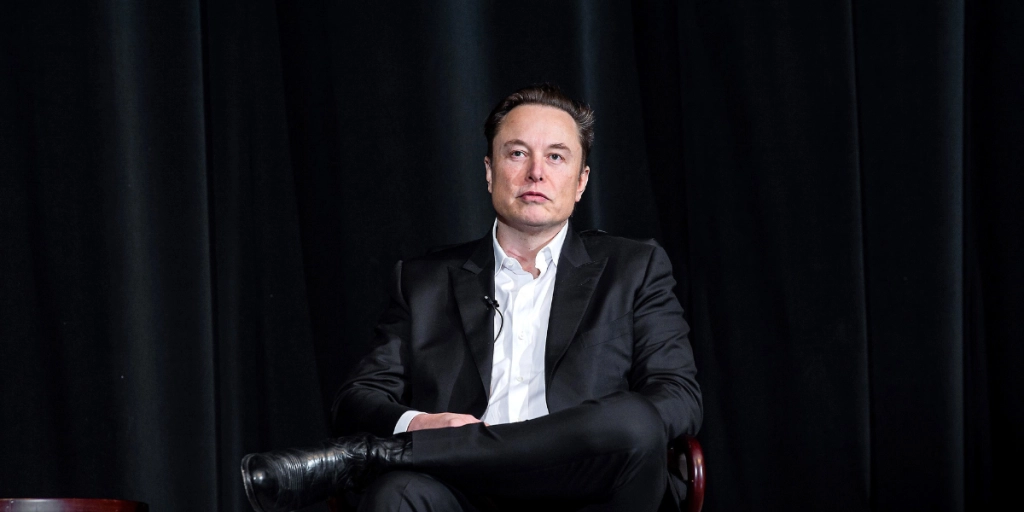
Elon Musk has lost over seven hundred billion dollars in paper wealth in a single month, perfectly highlighting the absurdity of modern billionaire finances.


Elon Musk has officially lost his newly acquired status as a trillionaire following a massive plunge in the stock market. According to a new report from Forbes, the tech mogul has watched hundreds of billions of dollars evaporate from his net worth in just a few weeks. The dramatic financial hit is primarily tied to a sudden loss of investor confidence in his sprawling aerospace company.
The evaporation of paper wealth
To put this financial loss into perspective, Musk has lost roughly seven hundred and fifty billion dollars since mid-June. That is more money than the entire annual economic output of many developed nations vanishing into thin air. For a normal human being, this level of financial destruction would mean absolute generational ruin.
However, billionaire wealth is fundamentally different from the money regular people use to pay rent or buy groceries. This fortune is almost entirely tied up in company stock, meaning the money only exists on a digital screen. When the stock market gets jittery, this imaginary wealth can disappear just as quickly as it was created.
The primary culprit behind this current financial dive is a severe drop in the value of his aerospace venture. Shares in the rocket company have plummeted by fifty percent since reaching their absolute peak earlier this summer. Investors are reportedly getting nervous about the massive costs associated with launching experimental rockets into orbit.


Rockets, risks, and reality
Building a company that aims to colonize other planets is an incredibly expensive and highly volatile business. Recent test launches of massive new rockets have shown mixed results, making Wall Street analysts extremely cautious. Every time a test flight encounters a problem, billions of dollars are immediately wiped from the company valuation.
Financial experts note that the company is burning through massive amounts of cash to fund its space ambitions. Investors are now questioning whether the promised returns from global satellite internet and space travel will ever materialize. This heavy skepticism is a stark contrast to the overwhelming market optimism we saw just last month.
Despite the dramatic headlines, the tech billionaire seems largely unbothered by his shrinking financial portfolio. He even took to social media recently to casually joke about his new status as a former trillionaire. When you have more money than anyone else on the planet, losing half of it is apparently just a minor inconvenience.
The illusion of the global wealth gap
Even after taking the biggest financial hit in modern history, Musk remains comfortably at the top of the global wealth rankings. His current net worth still hovers around seven hundred billion dollars, putting him miles ahead of his closest tech rivals. He is still substantially richer than the founders of the world’s biggest search engines combined.
This situation perfectly highlights the absolute absurdity of how modern corporate wealth is measured and discussed. We track these billionaire net worths like sports scores, even though the numbers have no bearing on physical reality. A single stock market correction can erase more wealth in a day than millions of workers will earn in their lifetimes.
Ultimately, the loss of these billions will not change a single aspect of how the billionaire actually lives. He will still own the same companies, fly in the same private jets, and wield the same global influence. The only thing that has actually changed is a digital number on a Wall Street server.



