
 Kenneth Glad
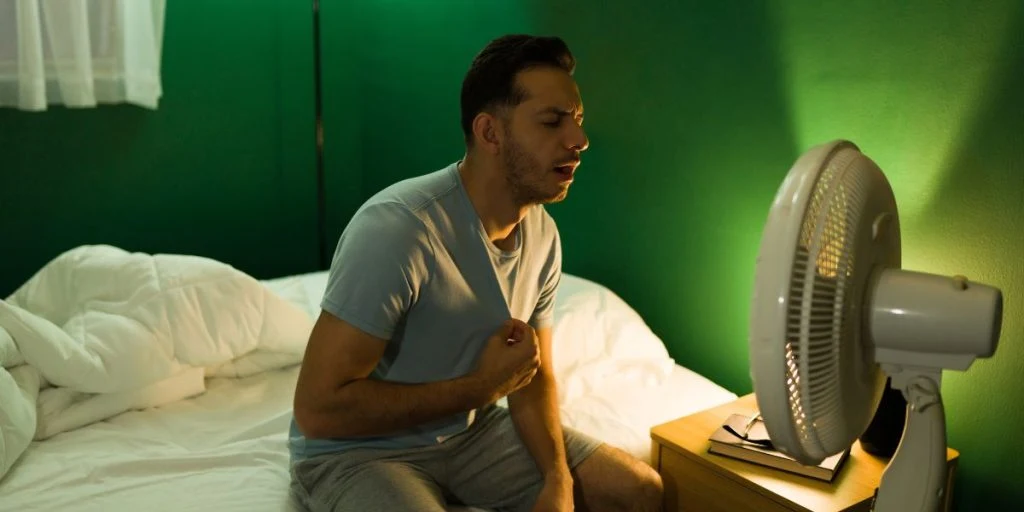
Warm indoor conditions can keep the body alert long after bedtime. For people vulnerable to heat, the consequences may extend beyond lost rest.


Falling asleep depends partly on the body’s ability to cool down. When a bedroom remains hot, that natural process becomes more difficult, while anxiety about being awake can add another obstacle.
Experts interviewed by The Guardian said physical discomfort and mental strain often reinforce each other during hot nights.
Why humidity makes cooling difficult
Core body temperature normally declines during a person’s usual sleeping period. The scientific review “Effects of thermal environment on sleep and circadian rhythm,” published in the Journal of Physiological Anthropology, describes temperature regulation and sleep as closely connected.
Sweating helps the body release heat through evaporation. In humid conditions, moisture leaves the skin more slowly, reducing the cooling effect.


Dr Yi Cai, director of sleep surgery at New York-Presbyterian and Columbia University Irving Medical Center, told The Guardian that heat and humidity can weaken the body’s cooling systems. Such conditions may delay sleep or cause repeated waking.
Worry can prolong the problem. Checking the time, counting the remaining hours and imagining an exhausting day ahead may leave someone more alert.
“If you cannot fall asleep because you are too hot, do not stay in bed becoming increasingly frustrated,” sleep specialist Dr Shelby Harris told The Guardian. “Get up, cool yourself down, and return to bed once you feel sleepy again.”
Reducing discomfort and recognising danger
Experts quoted by The Guardian recommend limiting daytime heat buildup by closing curtains or blinds and switching off unnecessary lights and electronics. Windows may help after sunset when the outdoor air is cooler.
Loose clothing and lightweight bedding can trap less warmth. Fans, chilled pillowcases and damp cloths may improve comfort, but they cannot protect someone from dangerously high indoor temperatures.
Alcohol, caffeine and strenuous late exercise may further disturb sleep. Drinking water regularly during the day supports hydration without requiring large amounts immediately before bed.
The US Centers for Disease Control and Prevention says older adults, young children and people with certain medical conditions face greater risks during extreme heat.
Possible signs of heatstroke include confusion, loss of consciousness, very high body temperature and hot skin that may be dry or damp. Sweating does not always stop.
Heatstroke is a medical emergency and requires immediate medical care.
Sources: The Guardian, Journal of Physiological Anthropology, US Centers for Disease Control and Prevention



