
 August M
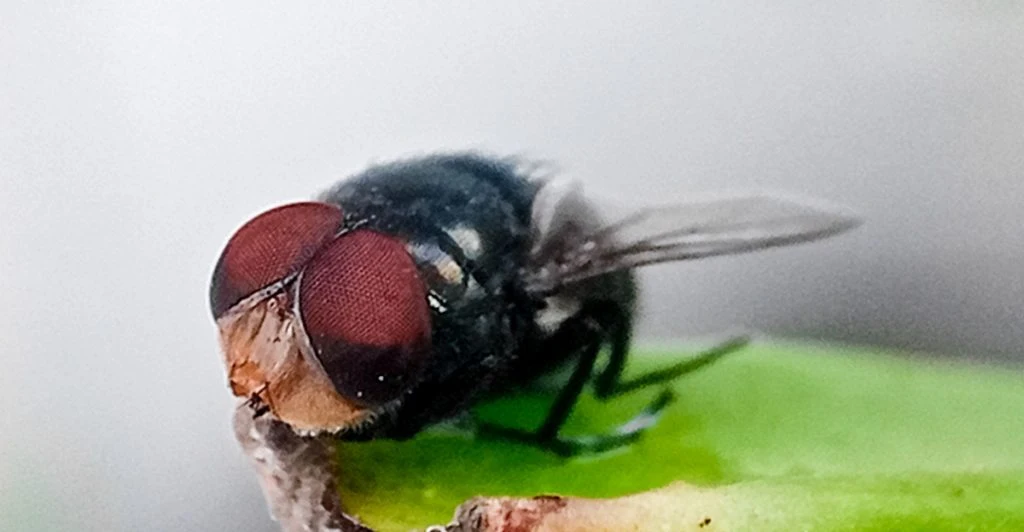
Nature has a strange way of turning one creature’s nightmare into another’s paradise.


What sends humans running in horror acts as an irresistible dinner bell for insects. Now, scientists have a plan: they are turning that natural disgust into a fresh weapon against a growing threat, reports Popular Science.
A deadly return
A dangerous parasite is creeping back into American ranches after decades in hiding. The New World screwworm, a fly whose maggots feed on living animal flesh, was wiped out in the United States back in 1966. But recent outbreaks in Mexico and Texas have put farmers on high alert.
By June, officials confirmed the first domestic cases in over fifty years. The flies target open wounds. They attack livestock, working animals, and even household pets. Without fast treatment, the infestation usually proves fatal.
Federal cuts to containment programs have made tracking the pest much harder. To stop the spread, researchers urgently need a better way to locate fly populations before they destroy local herds.


Tricking the pest
According to Popular Science, University of Colorado ecologist Jessica Metcalf is leading the effort. She studies how insects respond to the scents of decay. As Metcalf explained, humans naturally avoid these odors, but insects see them as an invitation.
“We use these bacterial cues to stay away from certain things, to not eat spoiled meat, for example,” Metcalf said. “The insects are using them for a different reason. They’re like, ‘Yes, bring it, that smells like a great place to lay eggs.'”
Existing traps use the general smell of rotting meat to catch flies. However, these lures accidentally attract harmless native bugs. That clutters the data for inspectors.
Lessons from crime scenes
To solve this, Metcalf’s team is crafting chemical baits that copy specific scents released by living host tissue. Screwworms also carry bacteria. These microbes signal other flies to join the feeding frenzy.
By isolating those signals, researchers can build traps that trick only the dangerous pests. “It turns out we can also leverage decomposition ecology, which relies heavily on blowflies and their bacterial partners, to improve surveillance and control of the New World screwworm,” Metcalf said.
The strategy relies on the same science used by forensic investigators to determine time of death. “Because we had been working on the relationship among insects, bacteria and animal decomposition for the last 15 years…we were well set up to tackle this problem,” Metcalf added.
Sources: Popular Science



