
 Nicolai Haugsted
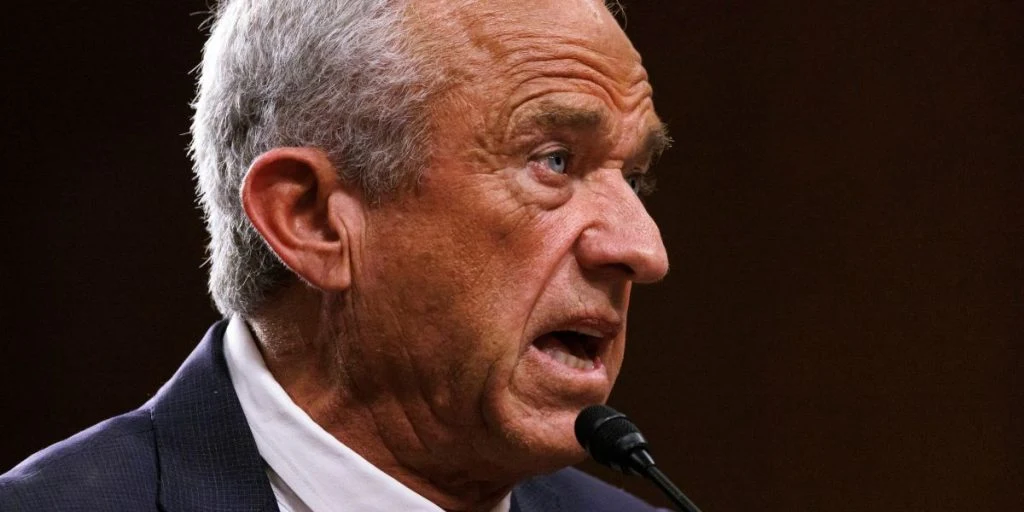
One grocery receipt was all it took to unravel RFK Jr.’s $5 meal claim.


A new cooking show meant to prove that healthy eating doesn’t have to be expensive has instead sparked a debate over the real cost of groceries. Health Secretary Robert F. Kennedy Jr. is facing criticism after the price tag he promoted for a family meal was challenged by a newspaper columnist who says the numbers simply don’t add up.
The dispute comes as many Americans continue to grapple with rising food prices and household costs.
Kennedy launched The Real Food Show last week alongside celebrity chef Andrew Gruel, with the stated goal of helping families prepare nutritious meals for less than $5 per serving.
In the debut episode, the pair cooked wild Alaskan salmon with a white bean, apple and arugula salad.


“So the servings of each of these, we ask to keep it under $5,” Kennedy said, while an on-screen graphic estimated the meal at $4.91 per serving for a family of four.
Shopping cart tells a different story
Washington Post columnist Monica Hesse decided to test that claim by recreating the shopping list at her local grocery store in Maryland.
Using the least expensive versions of every ingredient, she calculated a total bill of $73.46 — more than $18 per serving and nearly four times higher than Kennedy’s estimate.
Hesse noted that Kennedy’s calculation counted only the amount of each ingredient used in the recipe rather than the full purchase price shoppers actually face.
That meant ingredients such as mustard, mayonnaise, onions and nutritional yeast were priced as if customers could buy only a few spoonfuls instead of entire containers.
“Safeway does not let you walk in, scoop some mayo out of a jar and pay one dollar at the cash register,” Hesse wrote. “You have to buy the whole thing. That parent needs to feed their family with a meal that actually costs $20, not $20-plus-an-additional-$53.”
Debate arrives as grocery prices remain under pressure
The criticism lands during a period of persistent food inflation across the United States.
President Donald Trump campaigned on lowering grocery costs, but overall food prices have continued to climb since he returned to office, according to data cited by USA Today.
Rising supermarket bills have also been accompanied by higher fuel prices, leaving many households facing continued pressure on everyday expenses while Kennedy’s latest attempt to showcase affordable cooking has instead fueled questions about how closely the administration’s estimates match the reality at the checkout counter.



