
 Kenneth Glad
Scientific analysis of an exceptionally preserved discovery is revealing details about early food production. Researchers have combined chemical testing with microscopic remains to reconstruct how the contents were made.

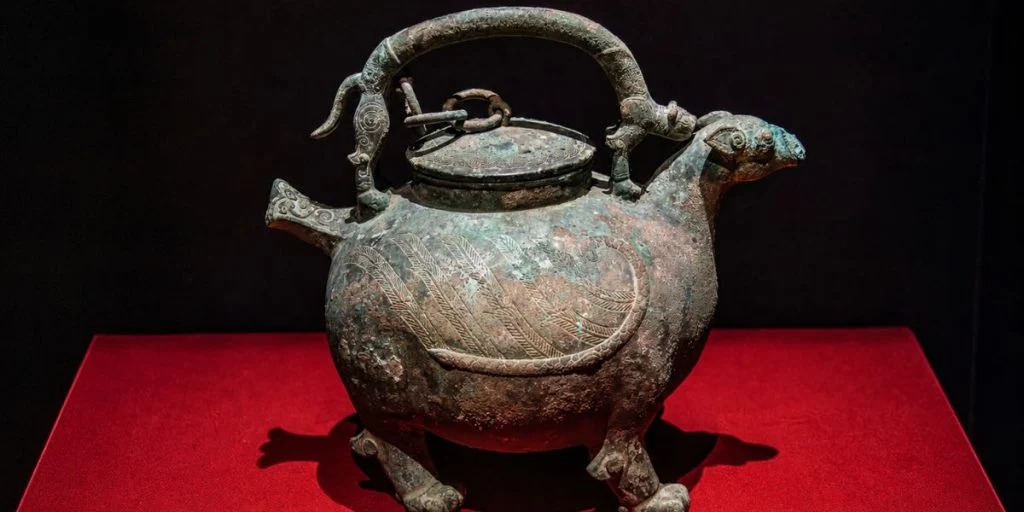
A sealed bronze vessel excavated at Shanjiabao cemetery in northwestern China contained about 3.74 liters of clear, pale blue-green liquid. Research published in the Journal of Archaeological Science: Reports identifies it as a cereal-based alcoholic beverage from the later Warring States period.
Such finds are uncommon because liquids and other organic materials normally deteriorate underground. Archaeologists therefore often study absorbed residues or microscopic traces rather than substantial surviving quantities of the original contents.
Laboratory testing detected 24 classes of organic compounds, including carbohydrates, amino acids and fatty acids. Plant remains showed that broomcorn millet was the principal ingredient, alongside grains from the Triticeae group, which includes wheat and barley. According to Historienet, millet represented about 92 percent of the identified starch grains.
Sediment from the vessel also contained more than 8,500 preserved yeast cells. Combined with the grain remains, those microorganisms helped researchers examine how the beverage was produced rather than simply identifying its ingredients.


Clues reveal the brewing process
According to the study, the fermentation starter was likely qu, a traditional Chinese grain-based culture containing molds, yeasts and other microorganisms. These microbes helped break cereal starches into fermentable sugars, allowing the mixture to develop into alcohol.
Shanjiabao also provides context for the people who may have produced, consumed or valued the drink. Archaeologists excavated 183 graves at the site, 179 of which were associated with Qin communities. The cemetery stood roughly two kilometers from Qin frontier defenses and is thought to have served both garrison personnel and nearby residents living in the area.
That setting places the beverage within a community shaped by military activity as well as ordinary settlement. While the vessel cannot reveal exactly who drank from it, its presence offers another glimpse of the material culture surrounding Qin life during the Warring States period.
The vessel’s garlic-shaped opening was characteristic of Qin material culture. Textile placed inside the mouth and organic-tempered daub around the exterior helped seal it, which may explain why such a large quantity of liquid survived. Its inclusion in a burial also suggests alcoholic drink may have formed part of funerary practices, whether as an offering, provision or object carrying symbolic importance.
Sources: Historienet; Journal of Archaeological Science: Reports



