
 Asger Risom
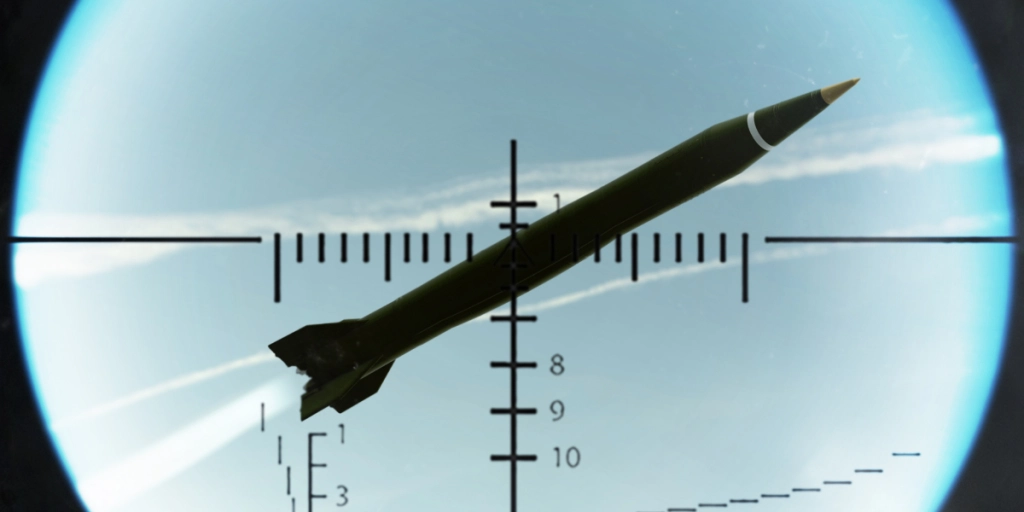
Ukraine’s domestically produced 79K6 Pelikan radar provides a critical 250-mile detection radius, allowing mobile air defense units to track and intercept everything from slow drones to rapid ballistic missiles.


The constant threat of Russian air attacks, ranging from slow-moving drones to hypersonic ballistic missiles, requires a highly responsive and adaptable air defense network. To meet this immense challenge, Ukraine is heavily relying on its domestically developed 79K6 Pelikan radar system. Showcased recently by Ukraine’s Air Command West, this advanced technology is proving critical in the daily battle to secure the nation’s contested airspace.
According to a recent report by UNITED24 Media, the Pelikan radar boasts an impressive detection range of up to 400 kilometers, or roughly 250 miles. When a warning is received from a central command post, the dedicated radar crew must immediately identify and track the incoming threat within their designated sector. This information is then instantly relayed across Ukraine’s broader air defense network to coordinate a lethal response.
The primary objective of the Pelikan system is to maximize the reaction time for interceptors. As operators emphasize, the earlier a hostile target is detected on the radar screen, the more time surface-to-air missile units and combat aviation have to calculate interception trajectories. Beyond identifying enemy targets, the radar also plays a vital role in tracking friendly Ukrainian aircraft, ensuring a comprehensive and accurate picture of the chaotic battlefield airspace.
Versatility and mobility on the modern battlefield
One of the defining strengths of the 79K6 Pelikan is its sheer versatility against a wide spectrum of aerial threats. The system is specifically calibrated to track targets with vastly different flight profiles. It can pinpoint low-flying, relatively slow Iranian-designed Shahed strike drones just as effectively as it tracks terrain-hugging cruise missiles and rapidly descending ballistic threats.


Developed and manufactured by Ukraine’s state-owned Iskra Research and Production Complex, the Pelikan is a testament to the country’s domestic defense capabilities. Despite its immense power and a staggering weight of roughly seventeen tons, the system is designed for high mobility. A well-trained crew can fully deploy the massive radar or pack it up for transport in as little as thirty minutes.
This rapid deployment capability is a matter of survival in modern conflicts. High-powered radar systems emit massive electromagnetic signatures, making them prime, high-value targets for enemy anti-radiation missiles. By operating as a highly mobile unit, Pelikan crews can illuminate the sky, relay critical tracking data, and relocate to a safe position long before Russian forces can pinpoint their exact coordinates and launch a counter-strike.
Strengthening the broader air defense network
The integration of the 79K6 Pelikan into the Ukrainian military has fundamentally transformed how legacy Soviet-era missile systems operate. When the radar was first introduced into service back in 2016, it allowed units operating the older S-300PT air defense systems to function with a much higher degree of autonomy. By providing direct access to long-range detection and tracking, these missile batteries no longer had to rely entirely on centralized network nodes that could be disabled by enemy strikes.
Today, the Pelikan operates as a crucial foundational layer within a much larger, increasingly diverse coalition of air defense technologies. Ukraine is currently working to weave this domestic hardware together with advanced Western systems provided by international allies. This creates a multi-layered shield where different radar systems cover various altitudes and frequencies, making it exceptionally difficult for Russian projectiles to slip through undetected.
In a clear sign of this evolving integration, Ukraine recently deployed the Swedish-supplied Saab 340 airborne early warning and control aircraft, also known as the ASC 890, for the first time in operational conditions. This strategic addition provides an elevated, over-the-horizon perspective that ground systems simply cannot match. By combining the powerful ground-based capabilities of the domestic Pelikan with this new airborne radar, Kyiv is steadily building one of the most sophisticated and resilient air defense architectures in the world.



