
 Kenneth Glad
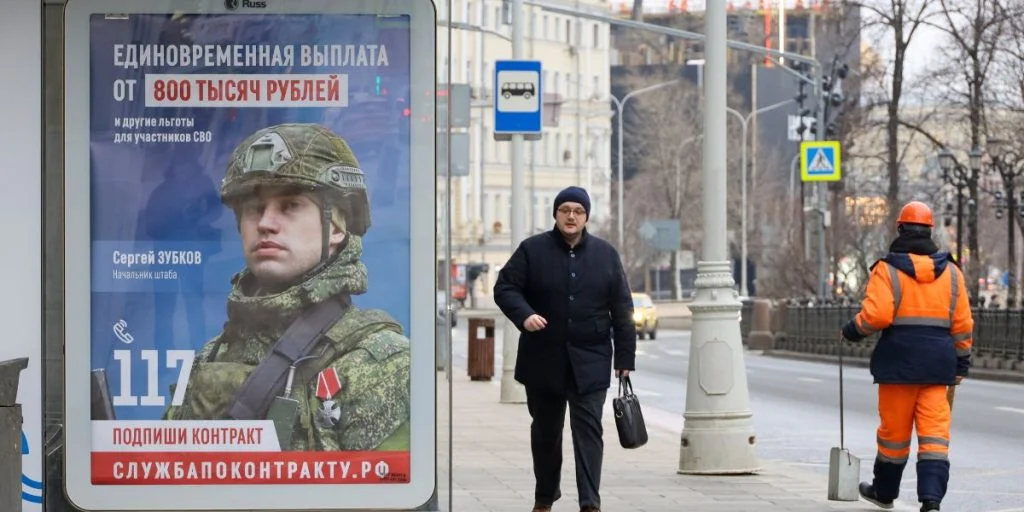
Accounts collected from several regions are adding to scrutiny of military recruitment practices. Separate reporting has also pointed to mounting pressure on local authorities to meet contract-service targets.


A Russian organization called Idite Lesom, which helps people seeking to avoid military service, says it received 14 complaints from relatives between August 10 and 18. The cases were reported by The Moscow Times. The accounts have added to concerns over the circumstances in which some military contracts are being obtained.
Russian officials, meanwhile, continue to reject the need for another nationwide mobilization. TASS reported in July that State Duma Defense Committee chairman Andrey Kartapolov described contract service as the military’s main recruitment channel. Kremlin spokesman Dmitry Peskov had said in March that another mobilization wave was not planned.
Separate reporting from the Financial Times said regional authorities had been assigned quotas tied to a national target of 409,000 contract soldiers in 2026, adding further context to the pressure surrounding recruitment efforts.
Accounts describe coercion
The incidents involve different forms of alleged pressure, with families describing detention, disputed paperwork and threats linked to military service.


According to The Moscow Times, a detainee’s sister in Novorossiysk said her brother was beaten and drugs were planted on him before he was given a choice between prosecution and military service. He later signed a contract.
In Omsk, one family said police completed military paperwork for a detained man without his participation. Another man, detained near a shop on the pretext of a drug test, said he never signed a contract but was still transferred for deployment.
Other complaints described detainees being moved into military custody soon after their arrests. A man detained in Izhevsk was sent to a military unit within days, while relatives of a 62-year-old man with health problems said he was issued a passport and military identification before being taken to Crimea.
Families urged to document
Idite Lesom advises relatives to act quickly when someone is detained, beginning with efforts to confirm where that person is being held. The organization also recommends checking any military or legal documents connected to the detainee and determining whether paperwork was signed voluntarily or recorded without their clear consent.
Families are also encouraged to preserve as much information as possible about the circumstances of a detention. That can include the names of officials involved, details of phone conversations, copies of messages and correspondence, and any available records showing when and where the person was taken.
The guidance is intended to help relatives build a clearer record of what happened and track a detainee’s movement through police, recruitment or military channels. In cases where events unfold quickly, maintaining that documentation may be especially important for establishing a timeline.
Sources: The Moscow Times, Financial Times, TASS



