
 Christine Drews Sieger
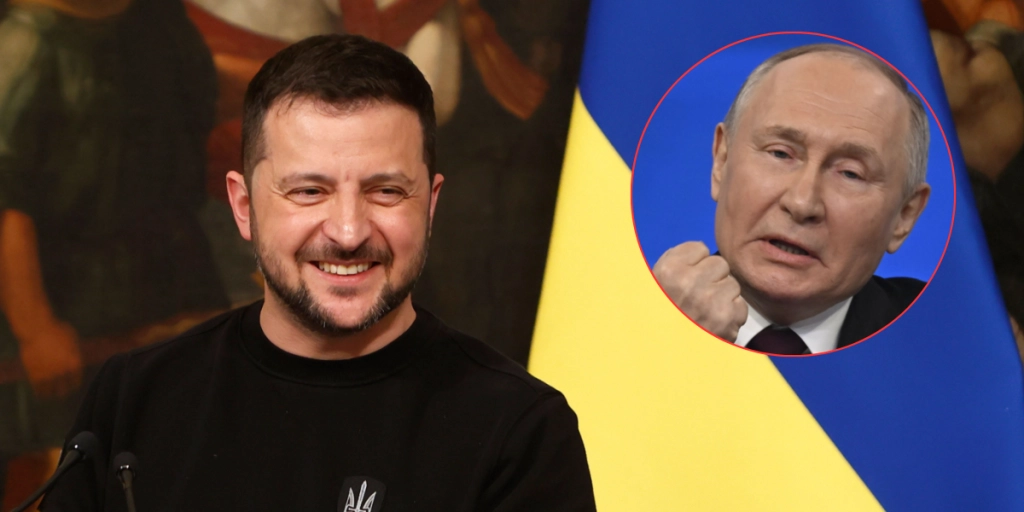
Ukraine faces severe war effort challenges due to a potential 300,000-troop Russian recruitment drive, escalating air strikes, and a $27 billion defense funding gap.

According to President Volodymyr Zelensky, Russia is preparing a new wave of recruitment targeting 300,000 soldiers once the parliamentary elections conclude in mid-September.
He explained that Russia could draft more troops in 2027 to reach an overall goal of 500,000.
Zelensky described this move as part of a “peripheral mobilization” targeting Russia’s far-flung regions.
“We believe it will not take place in the central cities,” he said. “But I don’t think they will be able to hide it very well.”


The vote for Russia’s parliament is scheduled to take place between September 18 and 20, The Moscow Times reports.
Heavy Donbas losses
Russian troops continue to push deeper into the industrial Donbas heartland in eastern Ukraine—an advance Kyiv claims is coming at a devastating human cost for Moscow.
As fighting rages around the strategic city of Kostiantynivka, Zelensky said Russia was losing a “maximum” amount of troops in its bid to advance into Ukraine’s so-called fortress belt of eastern cities.
He also hailed recent gains by Kyiv’s troops in southeastern Ukraine. He added that the amount of territory occupied by Russia and liberated by Ukrainian forces in 2026 would be equal, according to The Moscow Times.
Escalating air strikes
Alongside ground operations, Moscow is intensifying missile and drone attacks on Ukrainian population centers.
Kyiv’s defense is further strained by a severe deficit of American-made Patriot defense systems.
Zelensky said the 264 interceptors Ukraine is expecting to have received in 2026 represent a significant drop from 2025, when Ukraine received 364, and 2023, when it received 675.
According to The Moscow Times he added that Russia was aiming to develop a capacity to produce up to 1,300 ballistic missiles per year.
Economic retaliations and winter threat
Over the summer, Ukraine escalated a campaign of drone strikes targeting Russian economic infrastructure, targeting infrastructure such as oil facilities and e-commerce distribution centers to cripple Moscow’s war machine.
In response to the strikes, Vladimir Putin warned on Saturday that Kyiv had opened “Pandora’s box” and threatened targeted retaliation against key Ukrainian economic sectors.
That prospect prompted Kyiv’s air force to ask for 360 missile interceptors for the season.
He confirmed an agreement with France on at least one SAMP/T air-defense system this year.
He also reached a deal with Germany on supplying about 600 PAC-2 and PAC-3 interceptors through 2028, according to The Moscow Times.
A massive funding deficit
Ukraine’s war effort is further complicated by a $27 billion defense funding gap this year, Zelensky said.
The financial shortfall follows an unexpectedly heavy burn rate in military expenditures during the first six months of the year.
At least $8 billion is needed for “a normal start” to 2027, plus about $20 billion more for military salaries, payments to families of the dead, as well as other financing, he added, The Moscow Times reports.
A difficult road ahead
The challenges facing Ukraine now stretch far beyond the battlefield.
According to a recent Reuters report, Zelensky’s warnings about a possible new Russian recruitment drive come as Moscow continues its costly push to capture the rest of the Donbas, while Kyiv simultaneously struggles with shortages of air-defense interceptors and a major defense funding gap.
With another winter of potential attacks on Ukraine’s energy infrastructure approaching, the combination of Russia’s manpower, missile production and economic pressure could make 2027 an increasingly difficult test of Ukraine’s ability to sustain its defense.



