
 Kenneth Glad
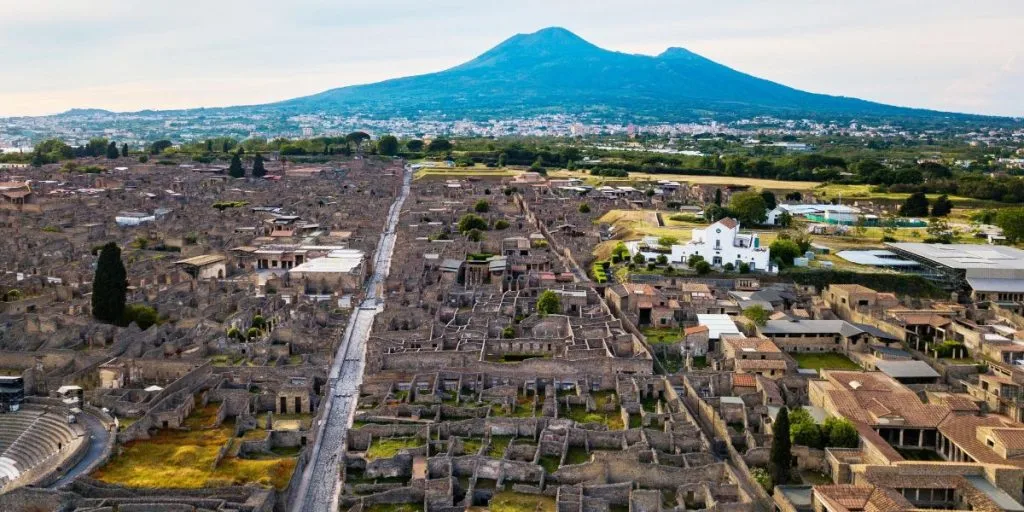
Daily routines continued around the Bay of Naples despite tremors beneath the ground. Within hours, the surrounding communities were facing a disaster that would transform the landscape.
On August 24, AD 79, Pompeii woke to what seemed like another peaceful summer day (the Pompeii Archaeological Park notes, however, that the exact date remains disputed). Small tremors had been felt during the early hours, but they were not enough to bring normal life in the city to a halt.
Markets opened as usual, with traders selling food and other goods, while bakers prepared bread and families went about their morning routines. Vesuvius stood roughly ten kilometres away, a familiar presence on the horizon as people moved through the streets and public spaces.
By midday, the city was still busy and there was little outward sign of what was about to happen. Then the volcano erupted violently.
The eruption grows more dangerous
According to HistorieNet, some residents used baskets, cushions and pans to protect their heads while attempting to escape. Others remained indoors as increasing amounts of pumice collected on rooftops, adding dangerous weight to buildings already being shaken by the eruption.


Across the bay, eighteen-year-old Pliny the Younger watched the enormous volcanic cloud from Misenum, around 30 kilometres from Pompeii. His letters provide the main surviving eyewitness account, although he did not witness what was happening inside the city itself.
HistorieNet writes that Vesuvius initially expelled around 10,000 tonnes of volcanic material each second. The column above the mountain climbed rapidly into the sky, while winds carried lighter pumice south toward Pompeii. The town of Herculaneum, northwest of the volcano, initially escaped much of that falling debris.
Earthquakes continued to shake Herculaneum throughout the day, driving many residents from their homes. Hundreds eventually gathered near the waterfront, possibly hoping that boats or passing ships might offer a way out.
The cities disappear
During the night, the towering eruption column began to collapse. Fast-moving currents of extremely hot ash, rock and gas rushed down the slopes, striking Herculaneum first before similar flows reached Pompeii the following morning and swept through the city.
Roman fleet commander Pliny the Elder, the uncle of Pliny the Younger, attempted to reach endangered communities by sea, but conditions along the coast prevented him from landing as planned. He continued to Stabiae, where he died during the eruption.
When Vesuvius finally quietened, Pompeii lay buried beneath roughly four metres of volcanic material. According to HistorieNet, Roman soldiers later searched parts of the buried city for survivors, while Emperor Titus supported relief and rebuilding efforts in the devastated area.
Much of Pompeii remained sealed beneath the ash, including houses, paintings, tools and personal belongings. When the city was excavated centuries later, these finds revealed details of Roman life that would otherwise have been lost.
Sources: HistorieNet, Pompeii Archaeological Park.



