
 Jens Asbjørn Bøgen
Throughout the war, Russia has treated the electricity grid on the other side of the border as a target.


Since the winter of 2022, Moscow has made it a signature strategy to hammer Ukraine’s substations and thermal plants ahead of every heating season, plunging cities into cold and darkness to break civilian morale.
That strategy is now being applied in reverse, at home, and the first physical signs of it are showing up on the streets of the Russian capital.
Construction crews have begun installing a metal frame around the Abramovo substation in eastern Moscow, a facility that feeds parts of the city’s metro, several Moscow Central Diameter stations and Lokomotiv Stadium.
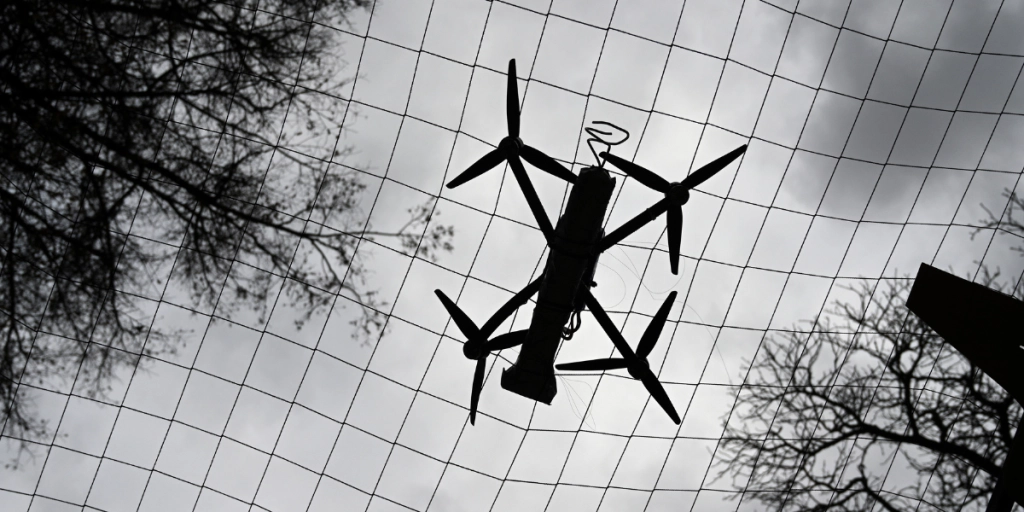
The frame is to be used as a base for stretching anti-drone mesh over the site, The Moscow Times reported on August 31, citing footage first published by the Ukrainian monitoring channel Supernova+ and authenticated by the independent Russian outlet Agency.


The 300-megawatt Abramovo substation, formally numbered 132, sits about 350 meters from the Izmailovsky Kremlin, the tourist complex in Moscow’s Eastern Administrative District. It is operated by the city-owned United Energy Company.
The appearance of anti-drone barriers directly at a working substation is the first documented case of the Russian capital physically hardening a live piece of its grid against unmanned aircraft, 24 Kanal reported.
Ukrainian drones are reaching deeper into Russia
The netting arrives after a summer of strikes that pushed Ukraine’s long-range drone campaign well beyond the border zone.
In its August 31 assessment, the Institute for the Study of War said Ukrainian forces had hit the Kirishi oil refinery in Leningrad Oblast and struck at least twice near the pipe rack at the Yaroslavl refinery over the previous days, while geolocated footage showed smoke plumes rising from the Belgorod Thermal Power Plant.
The Kirishi hit on the night of August 29 to 30 forced Russia’s second-largest refinery, with an annual processing capacity of about 20 million tonnes, to partially suspend operations. Ukraine’s General Staff confirmed the strike and said the plant supplies motor fuel, aviation fuel and diesel to the Russian armed forces.
Moscow itself has been drawn deeper into the campaign. Mayor Sergei Sobyanin has said 2,652 Ukrainian drones were aimed at the capital between August 15 and 22, with 493 destroyed in flight, figures cited in Russian reporting on the substation work.
The overnight raid on August 17 to 18 sent 620 drones toward the capital region, one of the largest single waves recorded to date.
Russia’s grid is starting to feel it
On August 17, the state defense conglomerate Rostec announced mass production of mobile power substations, calling them “energy ambulance in case of a blackout” and saying the wheeled units would be “especially needed amid the risk of large-scale outages caused by drone attacks.”
Ukraine’s Unmanned Systems Forces have been openly telegraphing where the campaign is heading. After a July operation that knocked out more than a dozen substations across occupied territory, commander Robert “Madyar” Brovdi posted on Telegram: “What a moonlit, starry, clear night… Moscow will fall.”
The next test is the coming heating season, when Russian officials will find out whether the netting, the mobile substation reserve and Moscow’s air defenses are enough to keep the capital’s lights on.



