
 Christine Drews Sieger
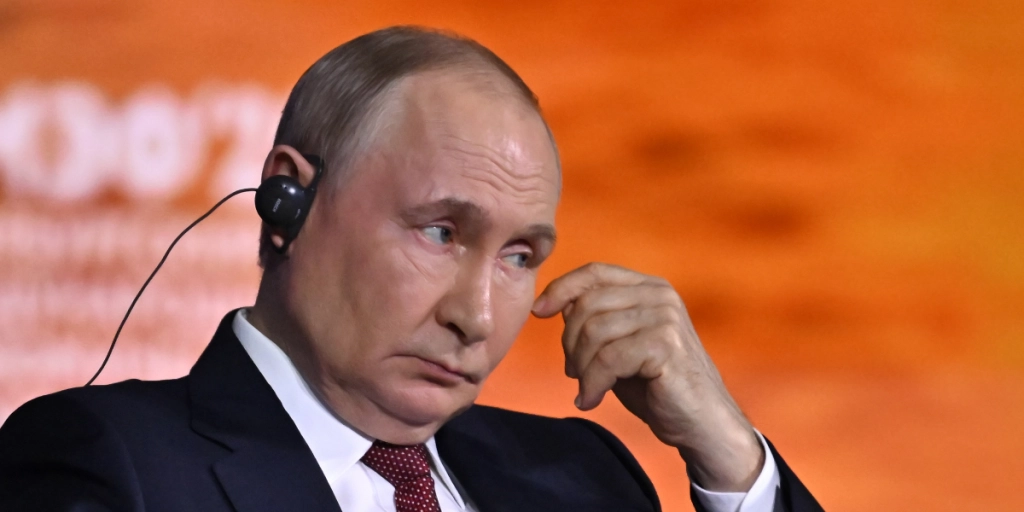
Russian taxpayers effectively funded war operations with over half of every ruble collected in mid-2026.


Kremlin officials funneled a record 10.7 trillion rubles, roughly $125 billion, into military spending during the first six months of 2026.
Figures from the Russian Ministry of Finance show that defense consumed nearly 44 percent of the total federal budget.
The massive sum marks a 30 percent jump compared to the same period in 2025. Military outlays swallowed over 10 percent of the nation’s entire economic output.
As the analysis points out, “over half of every ruble collected in taxes” ultimately went toward funding active military operations.


According to UNITED24 Media, a massive portion of this capital is moving in the shadows. In just six months, Kremlin officials have burned through the vast majority of their allocated full-year budget for classified military expenses.
Shifting budget priorities
Government priorities shifted dramatically over recent years. Defense spending consumed less than a quarter of the federal budget back in 2018.
By mid-2026, direct military allocations climbed past $666 billion since the 2022 invasion began.
That huge figure does not even count regional expenses like enlistment bonuses for new soldiers, UNITED24 Media reports.
Mounting financial pressures
The rapid rise in military costs coincides with a sharp drop in energy income.
At the same time, state revenues are bleeding out, with Western sanctions and exchange rate volatility wiping out nearly half of Russia’s crucial oil and gas income.
Slight growth across non-energy industries hasn’t come close to plugging the deficit.
Behind closed doors, Russian financial officials have reportedly warned top leadership that current spending trajectories are “unsustainable.”
As a result, public budget deficits keep widening while overall economic pressure continues to mount across the country, according to UNITED24 Media.
Silencing the Alarm
As we previously has reported, the political fallout from this spending spree is already visible.
Andrei Klepach, chief economist at state bank VEB, was abruptly ousted after warning that Moscow cannot win a prolonged war of attrition.
While Kremlin officials insist the economy remains resilient, the federal deficit has surged to 6.5 trillion rubles—nearly double original projections.
Klepach’s sudden firing underscores a dangerous shift: Russia’s top economic minds are deeply alarmed by the war’s mounting costs, but pointing out the financial reality has become a career-ending move.



