
 Jens Asbjørn Bøgen
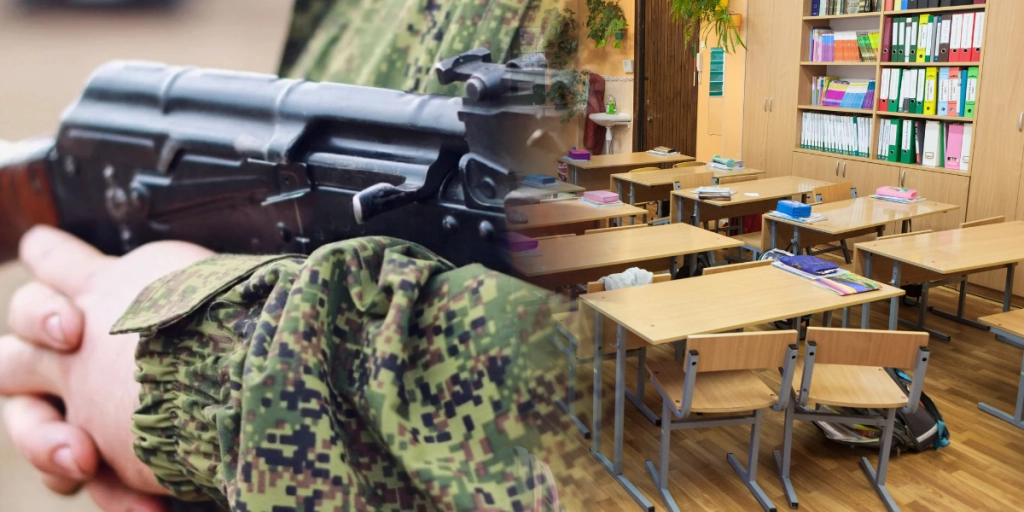
The city’s draft 2026 budget amendments carve out fresh money for soldiers in Ukraine as schools, clinics and shelters are trimmed.


The autumn budget review in St. Petersburg pulls money from schools, clinics, public housing and civil defense shelters while adding fresh spending on soldiers fighting in Ukraine and their families.
City authorities submitted the amendments to the 2026 budget on Monday. Total spending would drop by roughly 70 billion rubles to 1.58 trillion rubles, Fontanka reported, citing the draft law posted by the city’s finance committee.
The bulk of the cuts land on services residents actually use. The education committee loses 13 billion rubles, covering school capital repairs, textbooks, equipment and children’s summer programs. Healthcare is trimmed by 8.5 billion rubles, with polyclinic funding and infectious disease prevention among the biggest losers.
The construction committee, which builds schools and hospitals, is cut by another 15 billion rubles, according to 47news.


Where the money is going instead
Fresh money is flowing in a different direction. Payments to participants of the “special military operation”, Moscow’s official term for the war in Ukraine, and their families are being raised by 6.4 billion rubles.
Public sector wages gain an additional 4.8 billion rubles, subsidized medicines add 1.6 billion, and the metro receives roughly 9 billion rubles more in subsidies from the transport committee.
Housing for orphans is cut roughly in half. Financing for the inspection and repair of civil defense shelters is reduced by about 1 billion rubles.
The improvements committee (blagoustroistvo) loses more than 9 billion rubles overall, mostly on subsidies to road enterprises and the “Comfortable Urban Environment” and “Petersburg Courtyards” programs. Holiday street decorations lose 267 million rubles.
Beglov points to the Central Bank
Governor Alexander Beglov framed the exercise as prudent bookkeeping, saying the autumn adjustment will let the city reduce borrowing in 2026 and pointing to the Central Bank’s cooling policy and high credit costs as the reason to defer non-urgent projects, he said.
The projected deficit falls from 189 billion rubles to 108.8 billion.
The choices in St. Petersburg mirror those on the federal level. Roughly 38% of Russia’s 2026 federal budget is earmarked for defense and security, and lawmakers are lifting VAT from 20% to 22% to help cover it.
Federal funding for regional primary care modernization is being more than halved, from 123.3 billion rubles to 53.2 billion.
After an independent anti-corruption review, the draft amendments will next be considered by the city government. The draft law is published on the finance committee’s website.



