
 Nicolai Haugsted
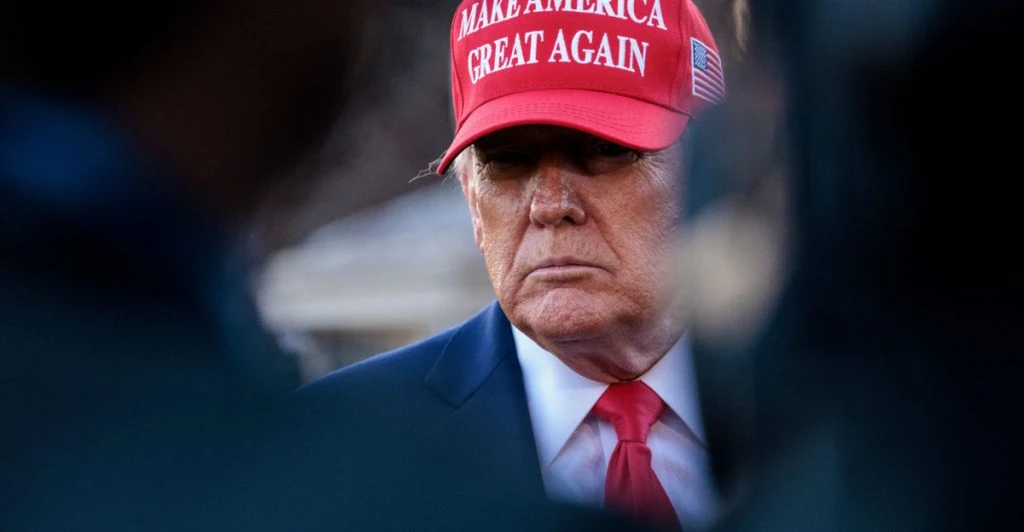
Trump predicts an agreement with Cuba just days after promising that freedom is coming to the island.


Trump predicted that Washington and Havana would ultimately reach an agreement and played down the prospect of American military intervention.
“I would say that Cuba and us will make a deal,” Trump told reporters. “I don’t think we’ll need the military.”
The remarks do not signal an end to Washington’s pressure campaign. Trump’s administration has openly pushed for fundamental political change in Cuba, while US restrictions on oil supplies have contributed to severe economic pressure on the island.
Still, talk of a deal offers something that has been in rather short supply between Washington and Havana lately: a possible diplomatic route through the confrontation.


Trump says he wants to help Cuba
Trump offered few details about what an agreement would look like or what concessions Washington would demand.
His description of the goal was considerably broader.
“Cuba is failing very badly,” Trump said. “We want to help Cuba. We want to open Cuba up to our people.”
Trump also pointed to Cuban Americans who might want closer access to the country.
“We have great Cuban Americans who want to go back,” he said. “We want to open Cuba up to our people.”
Saturday’s comments are especially notable because the administration has spent 2026 increasing economic pressure on Havana rather than easing it.
US measures restricting Cuba’s access to oil have intensified chronic fuel shortages and blackouts, adding another layer of hardship to an economy already struggling with deteriorating infrastructure.
Just days ago Trump promised that freedom was coming
Diplomatic optimism was harder to spot during Trump’s appearance before the UN General Assembly on Tuesday.
Trump described Cuba as a failed state and presented his administration as seeking a fundamental transformation on the island.
“Communism will never be coming to America, but freedom will be coming to Cuba,” he told the assembly.
Cuba’s delegation responded by getting up and walking out.
Saturday therefore produced an unusual combination.
Trump is still predicting major political change in Cuba, but he is simultaneously suggesting that Washington may be able to achieve its objectives through an agreement rather than military force.
No proposed deal has been publicly outlined, and Trump did not provide a timetable for negotiations.
Havana leaves the door cracked open
Cuba supplied its own diplomatic signal later Saturday.
Foreign Minister Bruno Rodríguez told the UN General Assembly that Havana remained willing to speak with Washington, although he did not directly respond to Trump’s comments.
“We are open to commercial and business relationships with US companies, just as we are with any other country,” Rodríguez said.
His speech was hardly an embrace of US policy.
Rodríguez fiercely condemned Washington’s economic measures and characterized the restrictions on Cuban energy supplies as part of a broader campaign against his government.
Cuba has faced a US trade embargo for more than six decades, and relations have become considerably more confrontational during Trump’s current term.



