
 Kenneth Glad
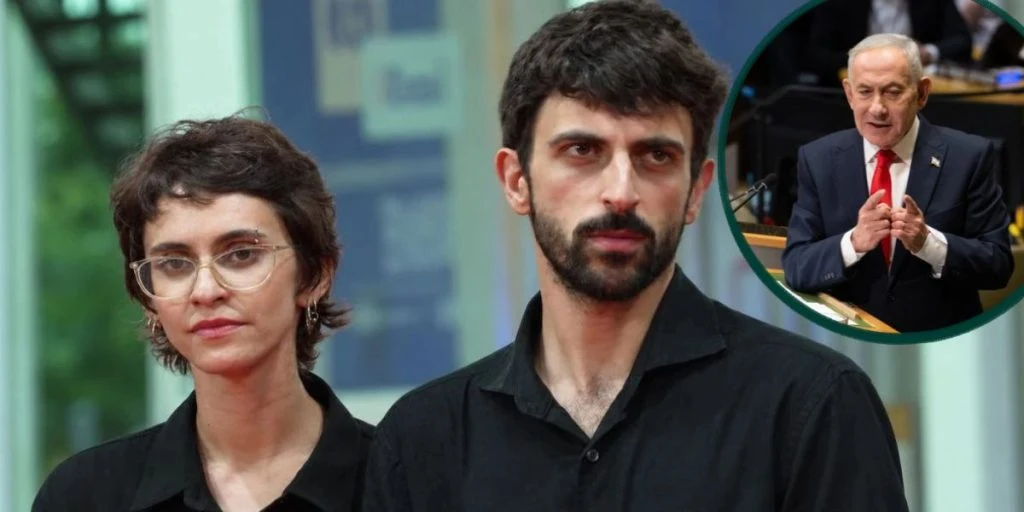
When military conflicts rage, modern warfare often remains hidden from the public eye. Documentaries occasionally pull back that heavy curtain, sparking intense debates over truth, technology, and state power. A groundbreaking new film has done just that, touching off a political firestorm before most people have even seen it.


The documentary NAZA premiered at the Venice Film Festival to immediate global headlines. It earned a staggering 25-minute standing ovation from the audience. Produced by British newspaper The Guardian and co-directed by Oscar-winning filmmakers Yuval Abraham and Rachel Szor, the 80-minute feature explores how the Israeli military carries out remote operations in Gaza.
The Israeli filmmakers gathered secret night-time testimonies from 24 anonymous Israeli intelligence officers on rooftops in Tel Aviv, just 44 miles from Gaza. Filmed against the glowing city skyline, these insiders detail how the military conducts remote surveillance and strikes from its urban headquarters.
Like a video game
In these accounts, sources reveal how an artificial intelligence program named Lavender rated thousands of Gaza residents to mark them for assassination. Officers admitted the military accepted a 15 percent error rate to accelerate target creation, with one insider describing the automated process as “the perfect task for machine learning”.
Another tracking tool, named Where’s Daddy, monitored family phone calls to alert commanders the moment a target returned home.


The interviewees describe mass surveillance, destroyed neighborhoods, and widespread civilian casualties. Shockingly, one source compared the remote strikes to a video game, while another described his intelligence work as “insanely fun”.
Abraham explained that the title NAZA translates roughly to collateral damage, a cold military term soldiers use for dead civilians. According to an interview with The Guardian, the directors wanted to expose how automated systems streamline mass destruction.
On screen, scenes of lively Tel Aviv nightlife contrast sharply with the destruction on the ground. The filmmakers highlight how Israeli mainstream television ignores footage from Gaza, shielding the public from the ongoing disaster. The documentary concludes inside Gaza itself, showing a devastated father searching through rubble while calling out for his missing family.
Backlash at home
The project triggered instant outrage among top Israeli officials. Prime Minister Benjamin Netanyahu compared making the documentary to “launching dozens of ballistic missiles”. The IDF Chief of Staff pledged to use every tool at his disposal against the film, while Netanyahu actively pushes for new legislation to strip the filmmakers of their Israeli citizenship.
Government ministers also blasted the directors. National Security Minister Itamar Ben-Gvir called them a disgrace, and right-wing protesters gathered outside Szor’s family home.
Still, the directors, who previously won an Oscar for their documentary No Other Land, insist they will return to Tel Aviv. They view the film as a vital effort to break three years of silence and demand accountability.
They also urged American audiences to examine how their tax dollars fund the conflict. Since October 2023, Washington has sent 21.7 billion dollars in military aid, including heavy 2,000-pound bombs. With over 200 Palestinian journalists killed in Gaza, the directors felt an urgent moral duty to speak out.
The film opens in international theaters across 56 territories before streaming free on The Guardian website in November.
Source: The Guardian



