
 Daniel Wolfram
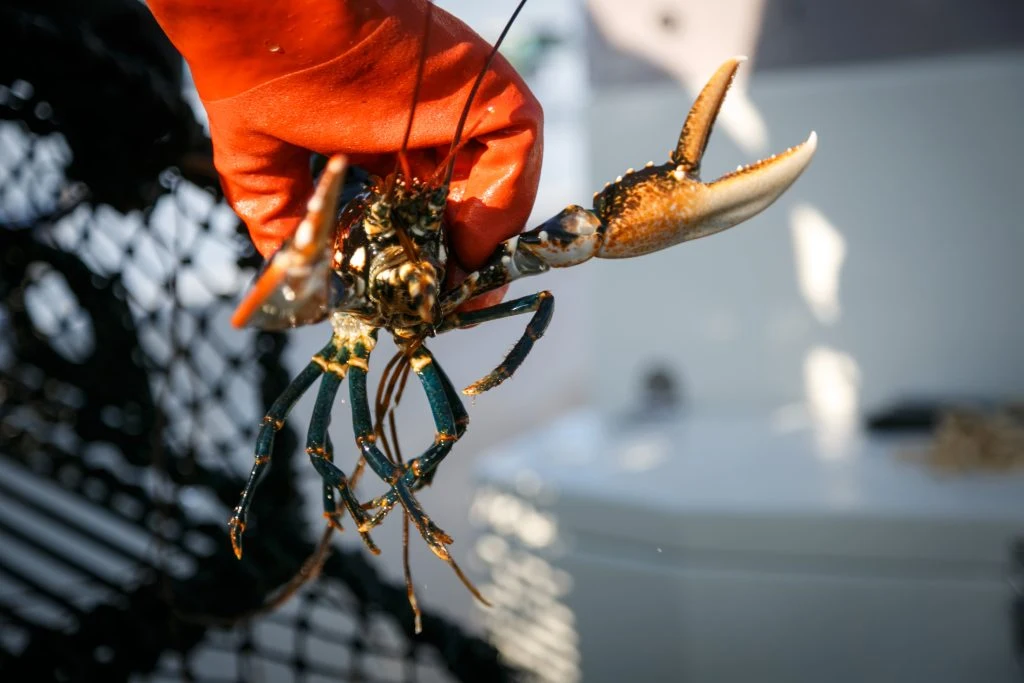
A ghostly-looking crustacean was donated to science right before Halloween.


Meet Casper the ghostly-looking lobster. He is an ultra-rare white lobster whose pale shell makes him a one-in-a-hundred-million biological marvel.
The ghostly crustacean recently settled into his new quarters at the University of New England. The Maine State Aquarium in Boothbay donated him to science, and right on cue for Halloween, Casper is stepping directly into the spotlight.
And he will help the scientists at the university with a curious DNA puzzle.
Cracking the code
Behind the glass, scientists want to figure out what causes these wild color transformations in American lobsters. Normally, regular lobsters sport a mottled brown shell to blend into murky ocean floors and hide from hungry predators.


According to the school’s press release, “The first-of-its-kind research program uses noninvasive methods to collect and analyze genetic material without harming the lobsters. Casper will similarly be studied without injury.”
So Casper gets to keep his claws intact without causing the animal any stress.
Beautiful and rare, but also scientific
Former student Rue Motulsky helped coordinate Casper’s arrival after researching DNA as an undergraduate. Now, the team can finally examine the rarest hue in the marine spectrum.
Markus Frederich, professor of marine sciences and director of the Invertebrate Physiology Lab at UNE, celebrated the milestone.
“Animals like Casper capture people’s attention because they are so rare and beautiful,” Frederich said. “But, for us, they also provide an amazing opportunity to ask fundamental biological questions.”



