
 Nicolai Haugsted
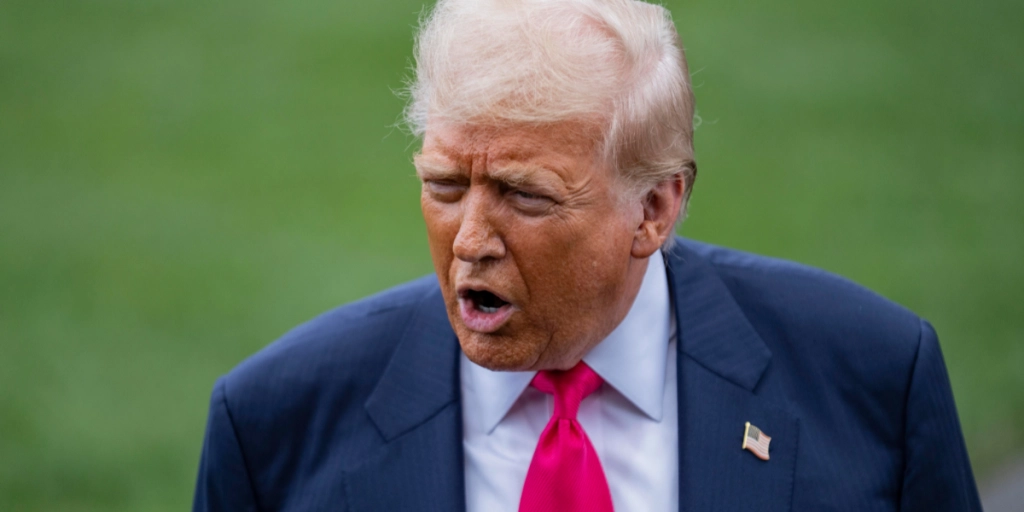
Trump administration proposes massive fee increase that could leave international students facing a $70,000 bill.


The American dream could soon come with a considerably higher price tag for international students hoping to turn their university education into a career in the United States.
President Donald Trump’s administration has already introduced tougher restrictions targeting foreign workers, but its latest proposal could make the transition from university to employment dramatically more expensive.
According to Reuters, the Department of Homeland Security (DHS) has proposed new requirements that would force international students to pay tens of thousands of dollars to participate in work training programs.
The proposed fee starts at $70,000, a staggering increase from the roughly $500 students currently pay.


From $500 to $70,000
The proposal targets international students holding F-1 visas, which allow foreign nationals to pursue academic studies in the United States.
Under the existing Optional Practical Training (OPT) program, eligible students can gain professional experience related to their field of study.
The system allows students to work up to 20 hours per week while classes are in session and provides opportunities for employment after graduation.
Graduates in science, technology, engineering and mathematics can also qualify for additional training periods.
However, the Trump administration wants to introduce a dramatically different financial requirement.
International students would have to pay $70,000 to a certified institution for their initial work training, with an additional $30,000 required for further training.
For students who have already spent substantial amounts on tuition, housing and living expenses, the proposed charges could make pursuing a career in the United States significantly more difficult.
White House administration explains the proposal
DHS argues that the proposed changes are necessary to prevent abuse of the immigration system and safeguard employment opportunities for American workers.
The department says the measures are intended to “combat fraud, strengthen the integrity of the immigration system, and protect US workers.”
Officials also argue that the financial requirements would help ensure that students, employers and educational institutions use the program appropriately.
“DHS is now setting a fee to ensure employers, students, and institutions are engaging in appropriate activities consistent with admission as an F-1 nonimmigrant,” the agency said.
The proposal forms part of the administration’s broader efforts to tighten immigration rules and increase scrutiny of foreign visa programs.
American tech companies could feel the impact
The potential consequences extend beyond university campuses.
For decades, OPT has provided international graduates with an important pathway into the American workforce.
Many participants eventually transition to H-1B visas, which allow US employers to hire qualified foreign professionals in specialized occupations.
Technology companies have relied heavily on these programs to recruit engineers, scientists and other highly skilled workers, particularly from India and China.
The Trump administration has already targeted the H-1B program with increased fees and additional restrictions.
Introducing substantial charges for OPT participation could create another financial obstacle for international graduates hoping to secure long-term employment in the country.
Trump’s previous promise tells a different story
The proposal also contrasts sharply with comments Trump made during his 2024 presidential campaign.
At the time, he suggested making it easier for international students to remain in the United States after completing their education.
Trump even floated the idea of automatically granting Green Cards to foreign students graduating from American universities.
Such a policy would provide a pathway to permanent residency.
The administration’s latest proposal, however, would impose a considerably greater financial burden on students attempting to enter the American workforce.
Expert predicts legal challenges
The proposal is unlikely to move forward without opposition.
Doug Rand, director of the Talent Mobility Fund, an organization focused on attracting international professionals in science and technology, questioned whether the proposed requirements would survive legal scrutiny.
“This proposed rule isn’t going to fare well in the courts, just as the 100k H-1B fee and other restrictionist policies have been struck down,” Rand wrote on LinkedIn on Wednesday.
His comments reflect his assessment of the proposal’s legal prospects rather than an existing court ruling on the new OPT requirements.
Legal challenges could therefore become another significant obstacle before the administration can implement its plans.



