
 Kenneth Glad
Maintaining public trust is a constant struggle for big city institutions trying to keep millions of residents safe. When public debates turn into heated culture wars, leaders often find themselves caught right in the middle. Now, the chief of one of the world’s largest city police forces is pushing back against critics to defend a major new strategy.


Police departments around the globe face a tough challenge when trying to serve millions of diverse residents. In major urban centers, keeping the peace relies heavily on whether citizens actually trust the officers on the street.
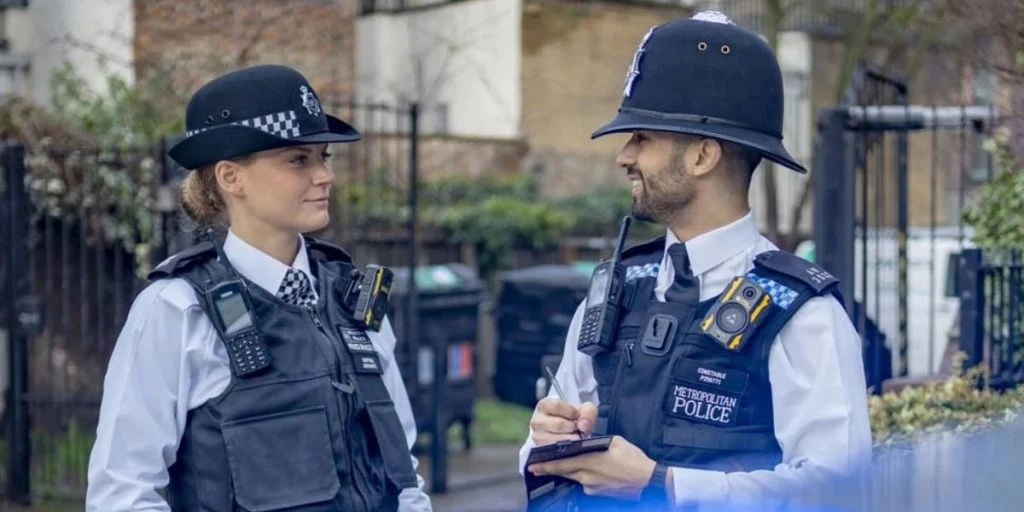
London Metropolitan Police Commissioner Mark Rowley recently launched a fresh hiring drive to bring more women and ethnic minorities into the force. Writing in The Guardian, Rowley argues that building a diverse workforce is not about politics or political correctness. Instead, he calls it a pure operational necessity rooted in Sir Robert Peel’s 1829 founding vision of policing by consent.
London is home to nine million people who speak hundreds of languages. According to Rowley, officers cannot protect victims or solve crimes if huge sections of the population do not trust them.
Having staff who understand different languages and cultural backgrounds makes victims far more likely to report serious crimes, including domestic abuse and sexual violence, while improving support for deaf residents.


When communities feel heard and treated fairly, they share critical intelligence that helps catch dangerous criminals. Rowley stressed that varied backgrounds are essential across all police work, from undercover operations and surveillance to sensitive encounters like stop and search, where empathy and fairness keep the peace.
Standards stay high
Critics often claim that diversity drives lower hiring standards to fill quotas. Rowley flatly rejects those claims in The Guardian, insisting that entry requirements for new recruits remain unchanged and uncompromising:
“Removing those barriers is not favouritism, It is fairness.”
He points out that certain groups historically faced obstacles that made it harder not just to join policing, but to access specialist training and advance into key roles.
Public debate has increasingly framed inclusion and merit as competing goals, an assumption Rowley strongly dismissed. “Fairness, not favour, should be at the heart of opportunity,” he argues, urging underrepresented groups to step forward for high-profile units such as firearms, counter-terrorism, public protection, major investigations, and the flying squad.
Last year’s recruit intake was the most representative in the force’s history, bringing in record numbers of women and Londoners from ethnic-minority backgrounds. By closing the gap with communities the police previously drew least from, Rowley insisted he will not let political debate distract from keeping the city safe. Reaching into every neighborhood simply ensures the force recruits from the widest and strongest pool of talent available.
Source: The Guardian



