
 Asger Risom
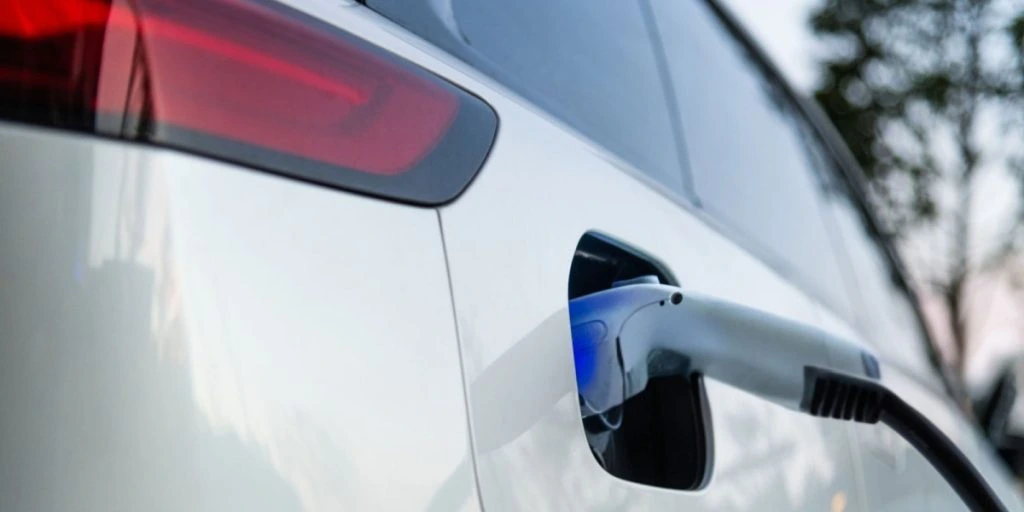
The rapid adoption of electric vehicles isn’t breaking the power grid; it is actually saving it. Through a massive rollout of Vehicle-to-Grid (V2G) technology, millions of idle cars are being networked into “virtual power plants,” absorbing cheap renewable energy during the day and pushing it back into the grid during peak evening hours.


For years, energy pundits have sounded the same alarm: the rapid adoption of electric vehicles is going to break the power grid. The fear was that millions of drivers coming home at 6:00 PM and plugging in their cars simultaneously would cause a massive spike in electricity demand, triggering rolling blackouts and overloading neighborhood transformers.
But in 2026, the exact opposite is happening.
Instead of draining the grid during peak hours, electric vehicles are actually holding it up. Thanks to a massive rollout of bidirectional charging and “everything-to-grid” technology, millions of parked cars are being networked together into invisible, highly responsive virtual power plants.
The bidirectional breakthrough
The entire concept relies on a fundamental shift in how we think about a car. For a century, a vehicle was simply a combustion machine that consumed fuel. An electric vehicle, however, is essentially a massive battery on wheels.


Until recently, EV charging was a one-way street: the grid pushed power into the car, and the car drove away. But with the widespread adoption of Vehicle-to-Grid (V2G) technology, the street now runs both ways. When a driver plugs in their V2G-compatible vehicle, the car’s battery can either absorb energy or push it back into the electrical grid, depending on what the local infrastructure needs at that exact second.
According to a recent analysis of the bidirectional charging market, this technology has officially moved out of the pilot phase. Utilities are no longer just theorizing about EV batteries; they are actively relying on them as decentralized storage units to balance the massive fluctuations caused by renewable energy sources.
Virtual power plants
To understand the scale of this, you have to look at how these cars are being organized. One parked car pushing electricity back into a neighborhood grid is a neat trick. But when software aggregates ten thousand parked cars across a single city, it essentially creates a “virtual power plant”.
The mechanics are brilliant: when the sun is shining and solar panels are overproducing cheap electricity, the grid dumps that excess power into the parked EVs. Later in the evening, when the sun goes down and household energy demand spikes, those thousands of parked cars automatically push a fraction of their stored power back into the grid.
This prevents utilities from having to turn on expensive, highly polluting natural gas “peaker plants” to cover the evening rush. The grid operators prefer this flexible approach because utilizing cars that are already sitting in driveways is drastically cheaper than building massive, stationary battery farms.
Getting paid to park
The most important part of this transition isn’t the software; it is the financial incentive for the consumer. Nobody wants to drain their car battery right before a morning commute.
Modern V2G systems solve this by allowing users to set strict limits on their vehicles. You tell the app that your car must be at 80 percent charge by 7:00 AM. The software manages the rest, buying and selling electricity throughout the night while guaranteeing you have the range you need.
In exchange for letting the utility use their battery, the drivers get paid. In mature European markets like France, smart charging tariffs allow EV drivers to save up to €40 per month, which is enough to cover the electricity required for roughly 10,000 kilometers of driving per year. We are finally entering an era where your car doesn’t just sit idle in the driveway—it actively pays for its own fuel by stabilizing the local energy grid.



