Asger Risom

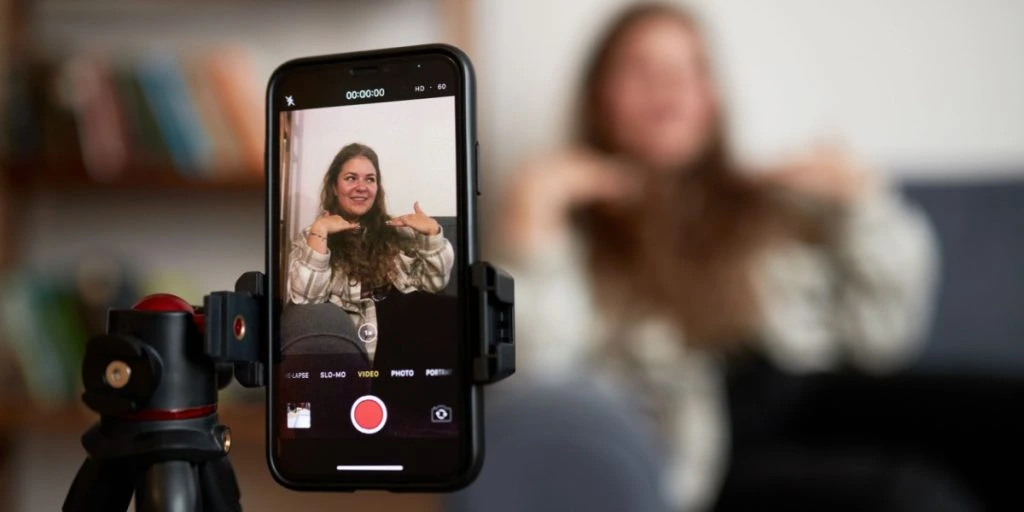
Somewhere between true crime podcasts and reality TV debates lies the dark heart of modern social media: trauma dumping for profit. Psychologists warn that this performative vulnerability not only drains unsuspecting audiences, but actively prevents chronic oversharers from finding real, offline healing.


Somewhere between the endless true crime podcasts, guys trying to convince each other they are alpha males, and toxic Love Is Blind debates lies the dark heart of modern social media. The digital landscape has fully transitioned from a curated highlight reel of vacations into a weird, hyper-competitive group therapy session. You can barely scroll for five minutes without hitting a stranger’s panic attack or a multi-part saga about their crumbling marriage.
People are absolutely convinced that broadcasting their lowest moments to millions of strangers is the ultimate form of digital authenticity. They package their worst days under the guise of speaking their truth, hoping to build a deeply personal connection with the void. But as media psychologists at Psychology Today recently pointed out, this unfiltered trauma dumping is actually just an emotional hostage situation.
We have completely blurred the lines between blowing off steam and forcing strangers to carry our heaviest psychological baggage. What started as a collective craving for honest conversations has mutated into a ruthless and highly calculated economy of oversharing. It turns out that weaponizing your own sadness is not just a cry for help, but a highly effective business strategy.
The economics of a public meltdown
To understand why everyone is suddenly crying in their cars on TikTok, you have to look at how modern algorithms actually make money. Platforms do not care if you are feeling incredibly happy or thoroughly devastated, as long as you are staring at your screen for another twenty seconds. A boring picture of your new apartment might get a few polite likes, but a tearful confession guarantees a massive wave of heated comments.


That raw, messy engagement data is the absolute holy grail for creators looking to hack the recommendation engine. More traction means more visibility, which directly translates into lucrative brand sponsorships and massive creator fund payouts. Influencers realized long ago that vulnerability sells, so they started framing every minor inconvenience as a soul-crushing psychological ordeal.
This dynamic turns basic human empathy into a cheap currency that can be easily traded for internet clout. We are basically watching reality television mechanics infect the lives of regular people who just want to be noticed. When extreme negativity becomes the fastest route to a paycheck, everyone suddenly starts playing a bizarre game of tragedy poker.
Venting versus an emotional hostage situation
Normalizing mental health struggles is generally a good thing, but we have entirely lost the plot on what actual coping looks like. Normal venting is a two-way street that requires checking if your real-life friend actually has the mental bandwidth to listen. It is a temporary release valve that helps you gain some perspective, grab a beer, and eventually move on with your life.
Trauma dumping throws that basic social contract entirely out the window in favor of a one-sided, public purge. The person posting is usually just hunting for immediate validation from strangers rather than looking for a tangible solution. They drop a massive, unresolved issue right into your lap on a Tuesday morning and simply walk away feeling slightly lighter.
The pandemic definitely fried our collective nerves, making everyone feel like their darkest thoughts deserved a massive public audience. But screaming into a cheap ring light is not a functional replacement for sitting on a couch with a licensed professional. Psychologists warn that endlessly repeating a tragic story to an online crowd actually cements the trauma rather than releasing it.
Alienating the people who actually care
This constant barrage of grief is deeply annoying for people who just logged on to watch someone bake bread. Most of us lack the clinical training to walk a random teenager through a severe existential crisis while waiting in line for coffee. Being forced to absorb that heavy, unresolved energy day after day is incredibly draining for the average internet user.
When someone constantly treats their social media presence like a crisis hotline, they eventually alienate their real-world friends. The people who actually know them simply burn out from navigating the endless digital negativity and constant demands for sympathy. The poster winds up totally isolated from the exact offline support network they desperately need to survive a real crisis.
The most radical thing you can do with a heavy emotional burden today is learn how to process it in private. Experts suggest grabbing a physical notebook, going for a long walk, or paying an actual therapist to listen to your problems. Real emotional healing happens in a safe, quiet room rather than the chaotic comment section of a monetized viral video.