
 Kenneth Glad

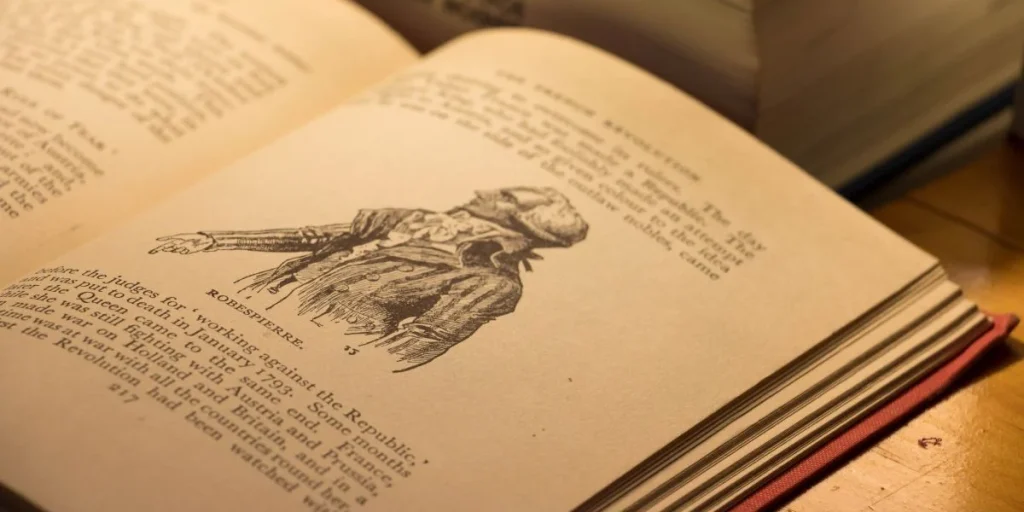
History is packed with leaders who set out to save the world and end up destroying it. This ancient trap catches many idealists. One famous lawyer fell so deeply into the bloodbath that his very name became a synonym for state terror.

Maximilien Robespierre began his career as a pure idealist. Born in the French town of Arras in 1758, his mother died when he was six, and his father abandoned the family. Raised by his grandparents, he grew up determined to help the poor, according to HistorieNet.
The bright young man attended an elite school in Paris, where he absorbed the radical ideas of the Enlightenment. He studied Jean-Jacques Rousseau intensely. He truly believed that all political power belonged to the common people, instead of a king.
Returning home to practice law, he defended the vulnerable. When the French Revolution erupted in 1789, the young politician represented the working classes and stepped straight into the spotlight. His strict morals earned him a striking nickname. His supporters simply called him “The Incorruptible.”
A deadly transformation
But the revolution quickly spiraled into chaos. The king had already shattered public trust after a failed escape attempt. With armies from Austria and Prussia threatening to invade, panic gripped Paris. Robespierre aligned himself with the extreme Jacobin faction, demanding the execution of King Louis XVI to protect the fragile republic. He argued the monarch had to die so the nation could live.


A few months later, he joined the Committee of Public Safety. This tiny group basically ran France by 1793 to fight off rival political factions. Robespierre quickly became its loudest and most dominant voice, treating any political disagreement as a direct personal attack.
Idealism gave way to absolute ruthlessness. HistorieNet notes that he justified the violence by claiming that a revolutionary government owed its enemies nothing but death.
The reign of terror
The death toll climbed at a staggering rate. Under his watch, an average of 30 people went to the guillotine every single day in Paris. Rushed revolutionary tribunals turned legal trials into a lethal formality.
Suspicions alone were enough to secure a death sentence. Across the country, up to 100 citizens lost their lives daily by the summer of 1794. The victims included tax-resisting peasants, wealthy nobles, and even his former friends. Regional executioners often shot prisoners or drowned them in rivers instead of using the blade. By the end, nearly half a million people had been arrested.
The powerful leader defended the massive bloodshed as a moral necessity. He publicly stated, “Terror is nothing but prompt, severe, inflexible justice,” HistorieNet writes. Robespierre firmly believed that a brand new society could only survive by wiping out all internal critics.
The final scream
His reign of fear could not last forever. After vanishing from public for weeks, he delivered a threatening final speech to the national assembly in late July 1794. Politicians grew terrified that they would be the next victims, so they finally turned against him the very next day.
Shouts of “Down with the tyrant!” drowned out his voice. The national assembly ordered his immediate arrest amid chaotic scenes. Later that night, Robespierre suffered a shattered jaw from a mysterious gunshot wound. Historians remain divided over whether he attempted suicide or a guard actually shot him.
The following day, guards carted him and 21 loyal followers off to the execution square. A massive crowd cursed and mocked the 36-year-old as he awaited the falling blade. He kept his eyes shut in complete silence. The executioner brutally tore the bloody bandage from his face. Seconds later, the feared tyrant let out an agonizing scream before his head rolled into the basket.



