
 Kenneth Glad

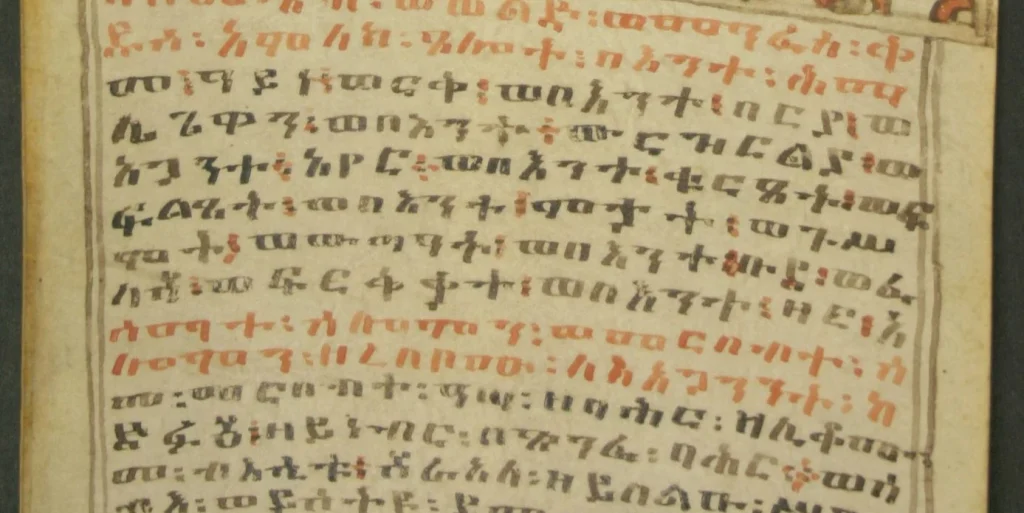
Old books hold far more than just forgotten stories. Generations of readers have walked past quiet library shelves without realizing that ancient pages preserve physical echoes of the living world around them. Sometimes, what lingers between fragile covers can completely reshape how we understand our past.

Centuries ago, medieval scribes had no paper. Instead, craftspeople relied on animal parchment scraped from the treated skins of cattle, sheep, and goats. The preparation was grueling, relying on lime baths and intense stretching that inadvertently preserved animal biology like an airtight seal.
That everyday practice left behind an unexpected biological archive. Where historians once focused strictly on the handwritten words, geneticists now examine the physical skin as a biological time capsule. According to a press release from University College Dublin, an international team set out to test whether infected livestock had passed microscopic traces of illness directly onto the leaves.
The gamble paid off quickly. Across multiple historical works, specialists identified well-preserved fossil DNA from sheep and goat pox. Science site Videnskab reported that one notable hit came straight from the York Gospels, a famous volume handwritten by English monks nearly a thousand years ago. The revered manuscript was housed at York Minster and used for centuries to swear solemn oaths.
Those sacred pages held distinct molecular signatures of chordopoxvirus, the exact pathogen responsible for the livestock disease. By using gentle dry-rubbing techniques on the vellum, scientists lifted the ancient biological code without leaving a single scratch on the priceless artifact. The remnants pose no danger today.


Tracking an ancient killer
In living herds, however, the virus remains devastating. It triggers high fevers, open sores, and severe facial swelling that often leaves animals unable to eat. Transmission happens fast. The germ moves easily through shared grazing and contaminated bedding, driving lamb mortality between 50 and 80 percent. Surviving animals face stunted growth and damaged wool.
To see just how far back the misery stretched, scientists paired the parchment findings with viral DNA extracted from Bronze Age sheep teeth. Teeth make exceptional biological vaults. Dense enamel shields fossilized blood vessels inside the root cavity, preserving fragile genetic strands through millennia of soil decay. That clever blend of evidence pushed the timeline back roughly 3,700 years.
Researchers now hold the first direct genetic proof that this brutal pox stalked European flocks long before modern veterinary science existed. Cattle can carry the germ without falling sick. And unlike the related condition called orf, which easily jumps to shepherds and causes painful sores on human skin, this pox never infects people.
Yet the discovery carries urgent modern relevance. Across Southern Europe, Africa, and Asia, the disease continues to devastate rural farming communities. It strikes hard. Each new flare-up triggers immediate export bans, heavy quarantines, and catastrophic financial losses for families who rely on livestock. Learning how the pathogen endured for millennia helps veterinarians track and counter modern strains before they spread.



