
 Jens Asbjørn Bøgen

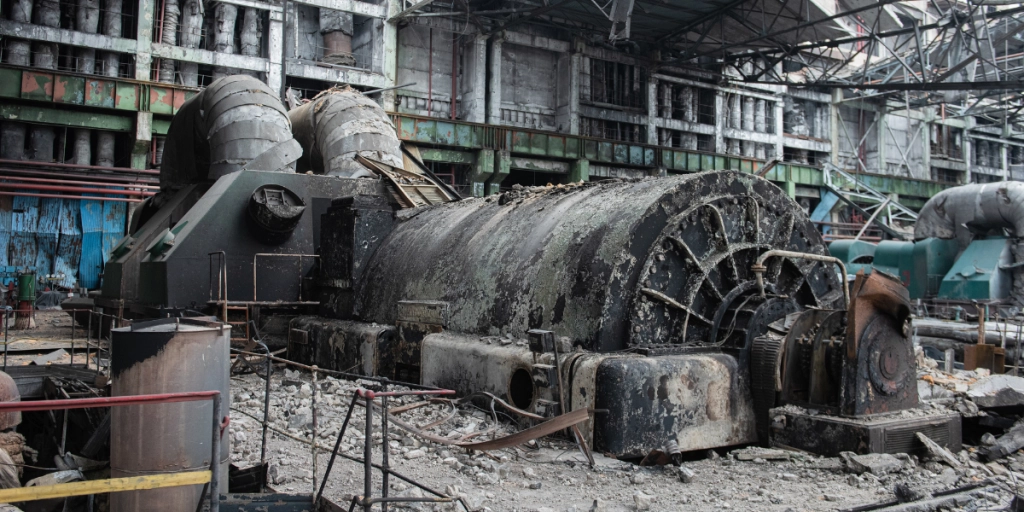
A fifth wartime winter is settling over Ukraine, with air-raid sirens again dictating when millions can turn on the lights.

A three-member UN panel has delivered the legal finding Ukraine has pressed for since Russian missiles and drones first began knocking out its substations and transformers in late 2022.
On Monday, October 26, Erik Møse, chair of the UN Independent International Commission of Inquiry on Ukraine, told the General Assembly’s Third Committee that Russia’s repeated attacks on Ukraine’s electricity system amount to both war crimes and crimes against humanity. The commission’s investigators concluded the strikes were part of a state policy to deprive civilians of power, water, heat, and gas, and to inflict suffering.
The classification is a legal escalation, not diplomatic language. “Crimes against humanity” is a specific charge under international law tied to systematic attacks against a civilian population, and it is the category that falls within the International Criminal Court’s statute.
The evidentiary basis
Møse told delegates that the finding rests on testimony from 255 Ukrainians interviewed across nine oblasts: Dnipro, Kyiv, Kharkiv, Kherson, Mykolaiv, Odesa, Poltava, Zaporizhzhia, and Zhytomyr, together with doctors, officials, and civic groups. Investigators also drew on Russian officials’ own public words.


The commission cited President Vladimir Putin’s instruction to “prepare and carry out massive strikes” on Ukraine’s energy system and a Russian defense ministry social-media post telling Ukrainians, “In winter you will freeze.”
Last winter, temperatures in Ukraine fell to minus 21 degrees Celsius, roughly minus 6 degrees Fahrenheit, as households faced prolonged outages of heating, electricity, water, and gas. The commission said Russian commanders ordering the strikes knew the heating facilities they hit in large cities were vital to civilians, especially in the cold months.
“As a new cold season sets in, the attacks have again intensified and there is serious concern for the life and health of civilians,” Møse said, speaking to the Third Committee.
Russia rejects the finding as talks approach
Russia’s UN mission dismissed the commission’s conclusions as resting on “falsified data,” reiterating Moscow’s standard line that its forces strike only military targets. Møse told the committee Russian authorities had declined to engage with the inquiry’s requests for comment.
The finding lands as Kyiv and Moscow eye another round of US-mediated talks. The Kremlin has signaled a next round is likely to be held in Abu Dhabi around mid-November, while Russian strikes on the grid have continued through October.
The commission, chaired by Møse with Pablo de Greiff and Vrinda Grover, was appointed by the UN Human Rights Council in March 2022. Its findings do not themselves open a prosecution, but they add formal, evidence-based weight to any future case at the International Criminal Court and document a record any ceasefire framework will have to reckon with.
Alongside the energy findings, the commission also concluded that Russia’s recruitment of foreign nationals from 29 countries to fight in Ukraine, by deception and coercion through sham companies arranging visas and contracts, amounts to trafficking in persons.



