
 Lauge Risom Koch

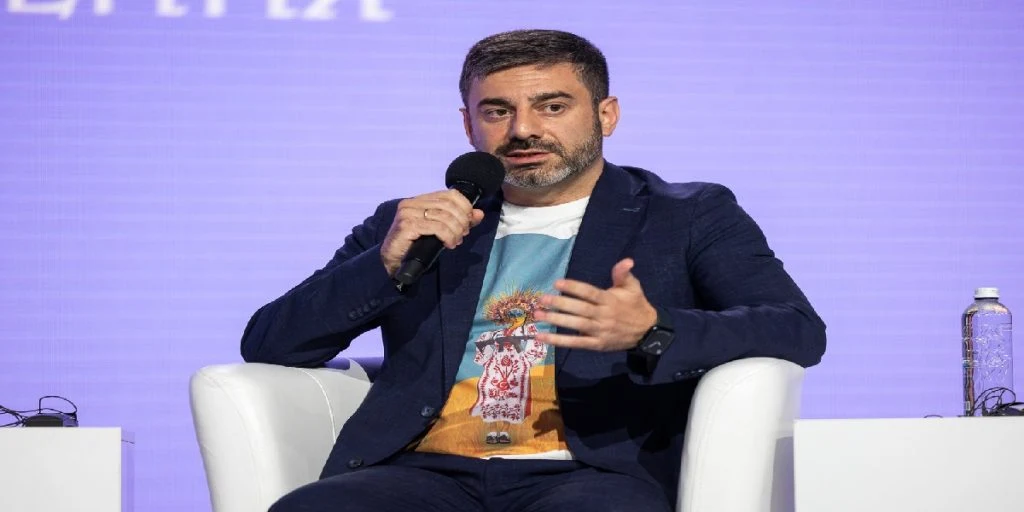
Ukraine plans to establish a dedicated Civilian Return Center to coordinate the repatriation and rehabilitation of citizens detained by Russia.


Ukraine will establish a dedicated center within the ombudsman’s office to assist civilians detained by Russia or stranded in occupied territory. According to the Kyiv Post, Human Rights Commissioner Dmytro Lubinets announced the initiative on Monday following recent humanitarian operations. The new institution will systematically assist relatives seeking to bring their family members back home from occupied areas and Russian detention facilities.
Lubinets explained that recent field experiences in southern Ukraine exposed critical coordination gaps across existing rescue efforts. Insufficient synchronization previously hampered state operations to secure civilian detainees held in Russian prisons and support individuals isolated across occupied zones. The proposed center aims to eliminate these bureaucratic obstacles by unifying recovery resources under one centralized administrative body.
The institution will build upon the foundational model established by the existing Child Rights Protection Center. Lubinets plans to extend that operational blueprint of international advocacy and direct repatriation to adult noncombatants. The planned agency will oversee direct family communications while simultaneously documenting severe Russian human rights violations on the world stage.
Humanitarian operations in Oleshky
The formal announcement follows the recent conclusion of a major humanitarian corridor in Russian-occupied Oleshky across the Dnipro River. A temporary localized ceasefire ran from late October to early November to allow relief supplies into the besieged settlement. The diplomatic arrangement allowed vulnerable residents an opportunity to voluntarily evacuate from the heavily contested combat zone.


American First Lady Melania Trump helped mediate the complex diplomatic arrangement between Ukrainian and Russian representatives. Officials confirmed that nearly 800 people successfully evacuated the town during the brief pause in fighting. Civilians journeying toward government-held areas traveled through Russia and Belarus before crossing safely into northern Ukraine.
Preparations for the cross-river corridor required clearing heavily mined roadways under direct coordination between Ukrainian and Russian officials. Local residents had endured acute shortages of food, potable water, and essential medicines prior to the arrival of the supply convoys. Ukrainian military officials noted that while aid arrived successfully, opposing forces utilized the temporary truce to reinforce defensive fortifications.
Rehabilitation and post-return assistance
Ukrainian human rights officials emphasized that civilian support must extend far beyond the initial journey across the border. Recent repatriations successfully returned seven vulnerable noncombatants through cooperative arrangements with the International Committee of the Red Cross. The returning group included a 90-year-old woman with mobility limitations and a 50-year-old woman recovering from severe cardiovascular illness.
Specialized medical transportation arrangements were required to safely evacuate these fragile individuals from Russian-controlled territory. Another operation successfully reunited a mother and child who had remained stranded in Mariupol due to missing identification papers. Furthermore, Lubinets reported that 41 Ukrainians returned through a border crossing along the Belarusian frontier during late summer.
These repatriated citizens included four children and five teenagers who required urgent administrative and logistical aid. The ombudsman’s network assists returnees with restoring legal identification, finding housing, and receiving continuous psychological rehabilitation. The newly planned center will permanently combine these ongoing welfare programs with long-term repatriation operations.



