
 Lauge Risom Koch

Russia officially withdraws from the European anti-torture convention, ending independent international oversight of its detention facilities.


Russia officially finalized its withdrawal from the European Convention for the Prevention of Torture on November 1. According to the Kyiv Post, the formal exit permanently terminates the Council of Europe’s independent monitoring mandate over Russian detention facilities. Russian authorities initially submitted their formal notification to leave the treaty in late October 2025, triggering a mandatory one-year waiting period.
Moscow had previously been a signatory to the landmark humanitarian convention since 1998. Between that year and 2021, the Committee for the Prevention of Torture conducted 30 inspection visits across more than 450 detention sites. However, Russia remained the only participating state that routinely blocked the public release of detailed inspection reports and governmental responses.
Russian officials only ever permitted the public release of four inspection reports during their entire tenure. The remaining restricted documents encompassed periodic oversight visits, including 10 sensitive inspections across Chechnya and the North Caucasus. Committee President Alan Mitchell warned that the departure eliminates the last remaining independent oversight of penal institutions inside the Russian Federation.
Lack of cooperation and rising abuse allegations
International monitors have received numerous credible allegations of torture by Russian personnel since the 2022 invasion of Ukraine. These documented reports detailed widespread abuse occurring within detention facilities situated across occupied Ukrainian territories and inside Russia itself. However, international inspectors were entirely unable to investigate these accusations on site due to an absolute lack of Russian diplomatic cooperation.


The Council of Europe sharply contrasted Moscow’s obstinate resistance with the open cooperation consistently demonstrated by Ukrainian authorities. Kyiv permits international monitors unfettered access to all detention facilities at any time and automatically approves the immediate publication of committee findings. The European monitoring body affirmed that it will actively continue its oversight work across its 46 remaining member nations.
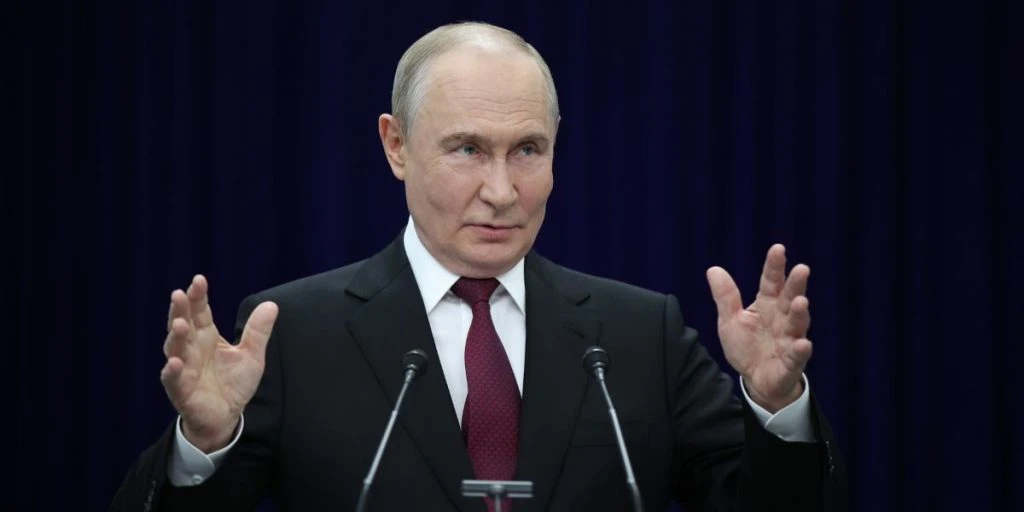
Russian President Vladimir Putin signed the domestic legislation authorizing the formal withdrawal in late September 2025. This legal maneuver concluded a protracted diplomatic separation following Moscow’s formal expulsion from the Council of Europe in March 2022. Russian lawmakers defended their decision by accusing the European human rights organization of institutional discrimination against Russian representatives.
International warnings and prisoner treatment
The Russian Foreign Ministry publicly asserted that abandoning the convention would not harm the legal protections of Russian citizens. Russian diplomats maintained that their government remains committed to its broader international human rights obligations despite abandoning the treaty. Conversely, two United Nations special rapporteurs warned that terminating oversight raises alarming red flags regarding internal prison conditions.
International human rights organizations have repeatedly raised grave concerns regarding the treatment of both civilian detainees and military prisoners. The Organization for Security and Co-operation in Europe previously documented widespread and systematic violations of international law by Russian authorities. Their investigative findings specifically highlighted unlawful abuses against Ukrainian prisoners of war, including documented instances of arbitrary killings.
A separate United Nations investigation concluded that detained Ukrainian civilians have been subjected to consistent patterns of severe violations. Russian authorities continue to deny international inspectors access to monitor the welfare of these captive populations. Human rights advocates stress that independent oversight remains an indispensable safeguard against systemic state torture and degrading treatment.



