
 Anna Hartz

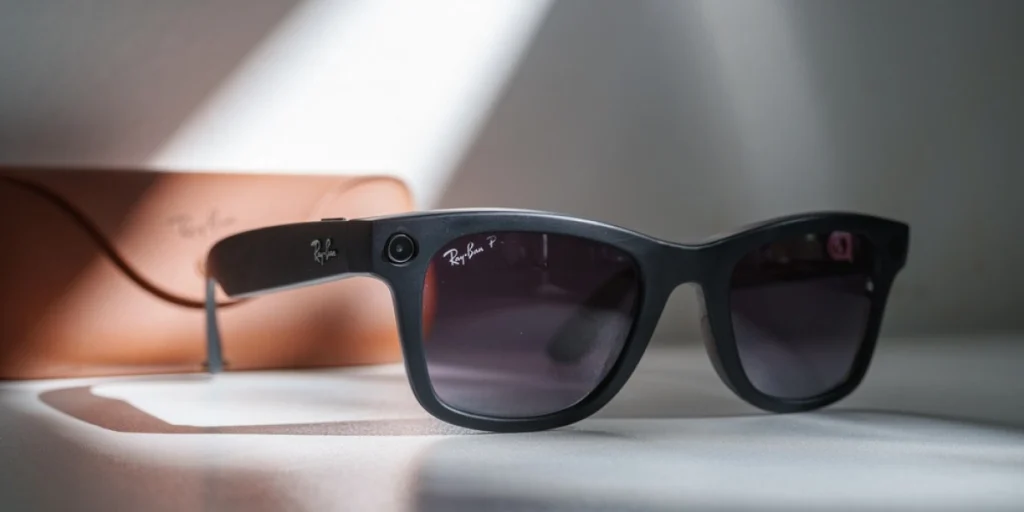
The controversial Meta glasses can both be a harmful tool and a mobility device. Now, Norway is looking to ban the glasses.


You go about your day – you go to the shops for milk and eggs, take public transportation and walk through the park on the way home.
You assume your movements are private. Yet a person standing right beside you might be recording your face without immediately appearing to be videoing you.
Modern smart glasses tuck cameras and artificial intelligence into ordinary frames. That unsettling privacy fear is sparking intense political debates across the globe.
A temporary ban
In Norway officials are considering a temporary ban on AI glasses in public parks and schools and beaches, according to Videnskab. But that swift political backlash threatens to harm a vulnerable group.


For blind and visually impaired people these devices provide life-changing independence. Brian Due is a professor at the University of Copenhagen.
He actively researches assistive tools. He compares banning these glasses to taking away a guide dog.
Solid scientific research supports the technology. A study in Nature Biomedical Engineering showed that visually impaired people navigated unfamiliar routes thirteen percent faster with AI tools.
Another study tested AI glasses on ninety participants. Nearly three out of four testers praised the instant reading feature. The Danish Association of the Blind called the invention a massive leap forward.
The help they can offer
The tiny camera becomes a working pair of digital eyes. A voice assistant whispers warnings about upcoming obstacles. Users can read restaurant menus without asking a stranger.
They can spot the right bus door at a crowded stop. In grocery aisles they can instantly tell beans from lentils.
The ordinary appearance of the glasses matters just as much. Traditional medical gear looks clinical and draws unwanted pity.
Visually impaired people want normal consumer gadgets because ordinary frames blend into a crowd.
Artificial intelligence also supports people with dyslexia. Chatbots help adults draft difficult work emails and read complex letters with ease. Voice controls help wheelchair users navigate difficult rooms.
Real privacy and corporate data problems definitely exist. Large tech companies control user footage and harvest digital profiles.
Yet total bans overlook the individuals who rely on smart glasses for basic mobility. Society must protect personal privacy without blinding those who finally found a way to see.
The problem with Meta glasses
However, the glasses are not solely being used for these mobility purposes.
“There have been multiple reports of the devices being used to harass women and girls in particular, filming them without their consent, then sharing the footage,” writes BBC.
Following widespread backlash and venue bans over covert filming and harassment with its camera-equipped smart glasses, Meta is releasing a camera-free, audio-only version called Ray-Ban Meta Audio.
The new camera-free model offers a cheaper, less controversial alternative, but industry analysts view it as a strategic compromise rather than a retreat from visual AI, with tech giants still viewing camera-enabled glasses as an inevitable successor to smartphones, according to BBC.



