
 Daniel Wolfram

The argument comes as the NAACP fights to block the Trump administration’s plan to deploy 1,000 federal monitors on Election Day.

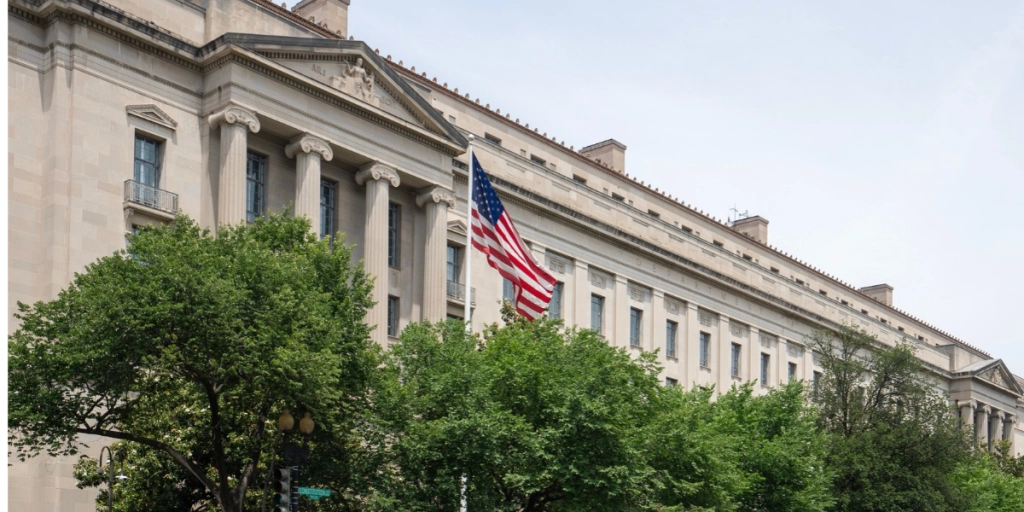
The Department of Justice (DOJ) has argued that the landmark Voting Rights Act of 1965, which gives every American the right to vote without any fear of intimidation, does not include federal law enforcement officers such as ICE and the FBI.
The battle kicked off over a White House pledge to dispatch 1,000 poll monitors nationwide on Election Day.
Shocked by the plan, the National Association for the Advancement of Colored People (NAACP) filed a federal lawsuit to keep federal law enforcement agents far away from ballot boxes, warning that an armed presence would frighten ordinary voters.
The NAACP fights to keep feds away from American voters
The NAACP anchors its case in Section 11(b) of the Civil Rights Act of 1960, which is part of the 1965 Voting Rights Act.


Congress originally wrote the measure to protect minority voters from racial violence and fear at the ballot box. For generations, voting advocates treated that promise as an unshakeable shield.
Justice Department attorneys, however, are pushing an aggressive new defense. In court papers highlighted by Democracy Docket, a voting rights and media platform that tracks election litigation, federal lawyers insist that the statute places zero restrictions on the government itself.
A startling defense
Federal lawyers claim the ban should not be enforced against law enforcement because the attorney general holds exclusive power to bring enforcement lawsuits.
“The conclusion that Section 11(b) does not apply to the federal government is confirmed by the statute’s express enforcement mechanism, which is a civil action brought by the Attorney General ‘for the United States, or in the name of the United States,’” the department argued.
Officials have rolled out this exact playbook before. During an earlier battle with union members over threats directed at local election workers, the department offered the identical reading. “While Section 11(b) bars a ‘person, whether acting under color of law or otherwise’ from engaging in voter intimidation… it does not apply to the federal government,” government lawyers claimed.
To shore up its stance, the administration leaned on a recent dissent written by Judge Eric Tung of the Ninth Circuit Court of Appeals. The Trump appointee concluded that the statute “does not apply to the United States.”
Pointing back to a 2000 Supreme Court precedent, Tung reasoned that legal references to a person acting under color of law do not cover the federal government.
Facing the NAACP lawsuit, government lawyers countered that the Civil Rights Division “is taking appropriate steps to ensure that the volunteers it engages from the Department’s law enforcement components are not law enforcement officers.”



